

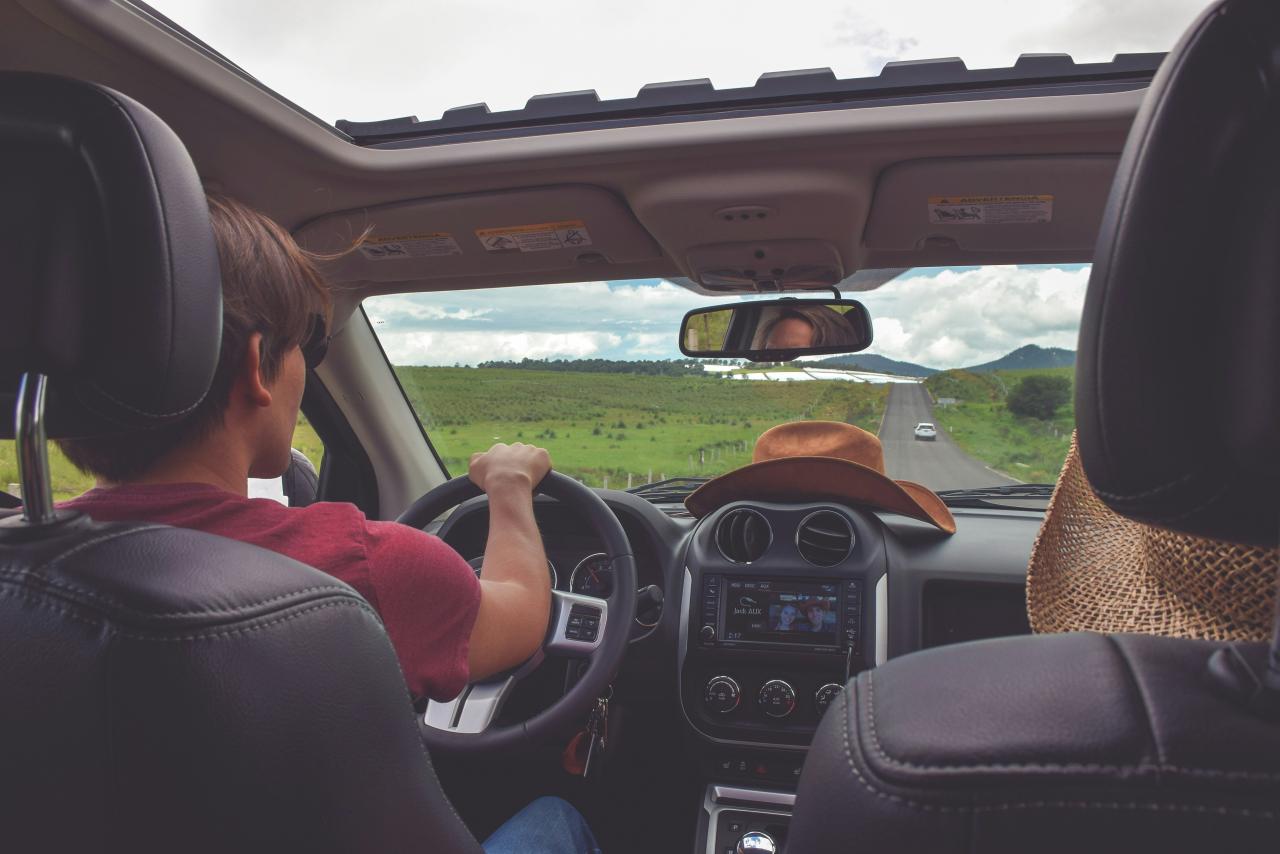
The modern automotive industry prioritizes family safety more than ever before as technology reaches new heights of innovation and reliability. For many decades, car safety relied almost exclusively on heavy steel frames and basic seatbelts to protect passengers during a collision.
This traditional approach often focused on surviving a crash rather than preventing one, leaving many families vulnerable to human error on the road. However, the emergence of advanced driver assistance systems now allows vehicles to see, think, and react faster than any human driver possibly could.
This transition represents a monumental shift from passive protection to active prevention, turning the family car into a vigilant guardian for your loved ones. We are entering an era where artificial intelligence and high-resolution sensors serve as the primary foundations for a five-star safety rating.
This innovation addresses the critical challenge of distracted driving and urban congestion by providing a digital safety net for every journey. By choosing a vehicle equipped with the latest safety tech, you can transform your daily school run or long holiday trip into a secure and confident experience.
This article explores the most effective and proven safety technologies that define the best family vehicles in the current market.
The Evolution of Automatic Emergency Braking Systems

Automatic Emergency Braking, or AEB, acts as a digital co-pilot that monitors the distance between your car and the vehicle ahead at all times. If the system detects a potential collision and feels that you are not reacting fast enough, it will automatically apply the brakes to stop the car.
I believe that “predictive stopping” is the best way to solve the problem of rear-end collisions caused by sudden traffic stops or momentary distractions.
You solve the problem of human reflex limitations by trusting a system that uses laser and camera data to calculate impact risks in milliseconds. This perspective turns your front bumper into a proactive shield, ensuring that a small lapse in concentration does not lead to a major insurance claim or physical injury.
A. Pedestrian and Cyclist Detection
Modern AEB systems no longer just look for other large cars but can now identify smaller moving objects like children or bicycles. This is vital for neighborhood safety where kids might suddenly run into the street behind a parked vehicle.
B. Intersection Assistance and Cross-Traffic Braking
Advanced versions of this tech can detect cars coming from the side while you are turning at a busy junction. If a driver runs a red light or fails to yield, your car can stop itself to avoid a T-bone collision.
C. Reverse Automatic Braking for Driveways
Many family SUVs now include sensors that watch your back while you reverse out of a garage or parking spot. It prevents the common and tragic accidents that happen when a small child or a pet moves behind the vehicle’s blind spot.
Mastering the Blind Spot with Intelligent Monitoring
Blind spot monitoring uses ultrasonic sensors or small cameras located in the side mirrors to watch the areas of the road that you cannot see. When another vehicle enters your danger zone, a bright warning light usually appears on your mirror to tell you to stay in your lane.
My new perspective is that “peripheral awareness” is the secret to solving the problem of highway anxiety during heavy rain or night driving. You solve the problem of neck strain and risky lane changes by utilizing a system that gives you a 360-degree digital view of your surroundings.
This perspective allows you to navigate multi-lane freeways with total calm, knowing that your car is constantly checking the areas your eyes might miss.
A. Active Lane Change Prevention
Some high-end family cars will actually resist your steering wheel movement if you try to change lanes while another car is in your blind spot. This physical feedback serves as a secondary warning that can prevent a high-speed side-swipe accident on the highway.
B. Blind View Monitor Video Feeds
Instead of just a light, some brands project a live video feed of your blind spot onto the dashboard when you turn on your blinker. This provides a clear, high-definition look at exactly what is happening beside you without forcing you to turn your head away from the road.
C. Exit Warning Systems for Passengers
This tech keeps the doors locked or sounds an alarm if a child tries to open the rear door while a car or cyclist is approaching from behind. It solves the problem of “dooring” accidents, which are a major concern for families living in busy metropolitan areas.
Maintaining Lane Integrity with Lane Keep Assist
Lane Keep Assist and Lane Departure Warning work together to ensure that your vehicle stays exactly where it belongs: between the painted lines. If you begin to drift without using your turn signal, the car can gently steer itself back into the center of the lane.
I suggest that “lane-centering discipline” is the only way to solve the problem of driver fatigue during long cross-country road trips. You solve the problem of unintentional drifting by allowing the car to manage the small, micro-adjustments required to stay straight on the highway.
This perspective reduces your mental workload and keeps your family safe even if you start to feel tired toward the end of a long day of driving.
A. Haptic Steering Wheel Feedback
Rather than a loud, annoying beep, many modern cars use a gentle vibration in the steering wheel to alert the driver. This “tactile nudge” is much more effective at grabbing your attention without scaring your sleeping passengers or causing a sudden over-correction.
B. Road Edge Detection Technology
Advanced systems can identify the edge of the grass or a gravel shoulder even when there are no clear white lines painted on the road. This is a life-saving feature for rural driving where road markings are often faded or non-existent.
C. Driver Drowsiness Monitoring
By analyzing how often the lane keep system has to intervene, the car can determine if the driver is becoming too sleepy to continue safely. It will then display a coffee cup icon and suggest that you take a break, preventing accidents caused by microsleep.
The Power of Adaptive Cruise Control in Family Travel
Adaptive Cruise Control (ACC) takes the stress out of traffic by automatically adjusting your speed to maintain a safe following distance from the car in front. If the traffic slows down to a crawl, the car will slow down with it and can even bring the vehicle to a complete stop.
My perspective is that “flow synchronization” is the best way to solve the problem of stop-and-go traffic frustration in urban environments. You solve the problem of constant pedal switching by letting the car’s radar manage the distance and speed for you.
This perspective transforms a grueling commute into a relaxed experience, allowing you to focus on steering and situational awareness rather than gas and brake management.
A. Stop-and-Go Functionality
This feature allows the car to restart itself automatically once the traffic begins to move again after a full stop. It is a massive comfort boost for parents who have to navigate heavy city traffic while dealing with noisy kids in the back seat.
B. Speed Sign Recognition Integration
Some smart cruise control systems can read the speed limit signs on the side of the road and automatically adjust your set speed. This prevents accidental speeding tickets and ensures that you are always traveling at a safe and legal pace for the current area.
C. Predictive Curve Speed Adjustment
Using GPS data, the car can slow down slightly as you approach a sharp curve on the highway before accelerating back to your set speed. This creates a much smoother and more natural driving feel that won’t upset the balance of the car or frighten your passengers.
Enhanced Night Vision and Adaptive Headlights
Driving at night is significantly more dangerous than driving during the day, but new lighting technologies are working hard to close that gap. Adaptive headlights turn with your steering wheel to illuminate the road around corners, while night vision cameras can spot animals and people in total darkness.
I believe that “visual extension” is the ultimate solution for the problem of limited visibility during late-night returns from family events.
You solve the problem of “over-driving” your headlights by using technology that reveals hidden hazards long before your eyes can see them. This perspective gives you an unfair advantage over the darkness, ensuring that you have plenty of time to react to a deer or a broken-down car on a dark country road.
A. Matrix LED Beam Shaping
Matrix headlights can keep the high beams on at all times while “carving out” a shadow around oncoming cars so you don’t blind other drivers. This provides you with maximum light on the sides of the road without creating a safety hazard for others.
B. Thermal Imaging for Wildlife Detection
Infrared cameras can pick up the heat signatures of animals hiding in the brush near the road and highlight them on your dashboard. This is a game-changer for families living in rural areas where deer and other large animals are a constant threat to road safety.
C. Automatic High-Beam Switching
This simple but effective tech uses a camera to detect tail-lights and head-lights, automatically switching between high and low beams for you. It ensures you always have the best possible lighting without you having to constantly flip the switch manually.
Protecting the Interior with Rear Seat Reminders
One of the most important family safety features is actually designed to protect passengers while the car is parked. Rear seat reminders use weight sensors or door-logic to alert the driver if they might have left a child or a pet in the back seat.
My new perspective is that “occupant accountability” is the best way to solve the problem of heatstroke and forgotten passengers during a busy day.
You solve the problem of “parental brain fog” by using a car that double-checks your work every time you turn off the engine. This perspective provides an extra layer of security for your most precious cargo, ensuring that everyone gets out of the car safely at every single stop.
A. Ultrasonic Motion Sensors
Some advanced systems use motion sensors to detect if a child is moving inside the car after it has been locked. If the system picks up movement, it can honk the horn, flash the lights, or even send a text message to the owner’s smartphone.
B. Integrated Child Seat Anchors (LATCH)
While not high-tech in a digital sense, the ease of use of seat anchors is a critical safety factor for young families. Modern cars now feature easy-access points that ensure your child’s car seat is installed perfectly every single time, which is essential for protection during a crash.
C. Rear-Facing Camera for Infant Monitoring
A few luxury family haulers now include a dedicated camera in the ceiling that shows a live view of the rear seats on the main infotainment screen. This allows parents to check on a sleeping baby or a quiet toddler without having to turn around or adjust their rearview mirror.
Conclusion

Family safety tech is the best way to travel. You must choose the right tools to reach goals. Active sensors ensure that your day stays safe. You solve your daily work problems by using a smart system. Old steel frames are the slow relics of the past.
The future belongs to those who use data for growth. Emergency braking acts as a professional and high value shield. Blind spot lights help you build a better life while you enjoy. Visual flow acts as a legal and very strong wall today.
Innovation in the world of cars is a victory for all. Every single smart sensor is a step toward a better future. The best time to start your high speed travel plan is now. Support your future success by treating your car like a tool. Stay curious about new tech to keep your daily life high. The journey to total and final driving freedom starts with choice.

