

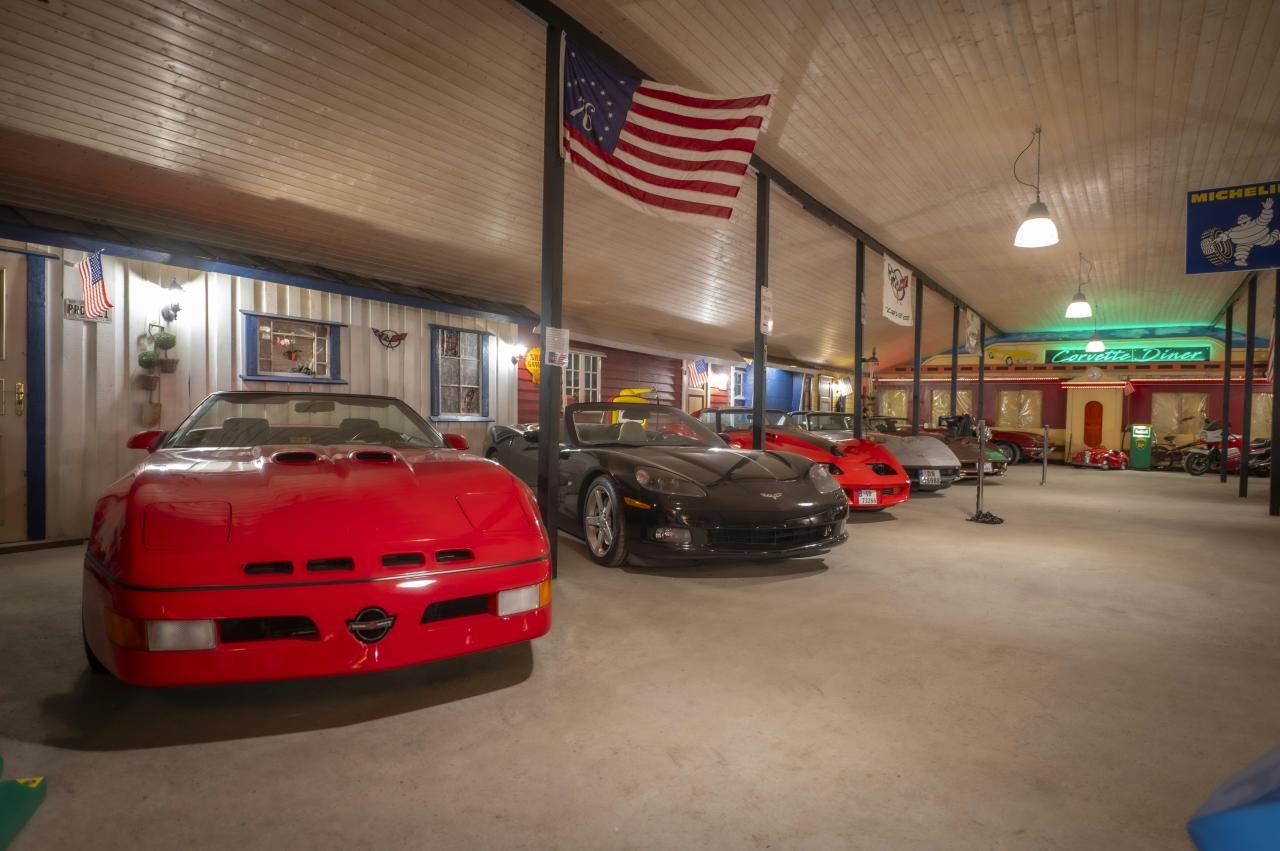
Building the perfect sanctuary for a vintage vehicle collection requires a thoughtful blend of historical appreciation and cutting-edge technology.
Many enthusiasts start their journey by simply parking a beautiful machine in a standard suburban garage, only to realize that modern environments can actually harm older mechanical systems.
High humidity, fluctuating temperatures, and poor lighting can turn your prized investment into a maintenance nightmare over just a few months. A truly modern garage acts as a controlled laboratory where you can preserve the delicate paint, leather, and rubber components of your classic car.
You are not just building a room for storage; you are creating a workspace that inspires creativity and offers the peace of mind that your legacy is safe. This transformation involves more than just a fresh coat of paint or a new tool chest.
It requires a holistic approach to air quality, floor durability, and ergonomic design that reflects the soul of the machines inside. In this comprehensive guide, we will explore the essential elements that turn a basic parking space into a professional-grade automotive gallery.
We will discuss how to optimize your environment to prevent rust, how to choose lighting that highlights every curve, and how to organize your tools for maximum efficiency.
Whether you own a single weekend cruiser or a growing fleet of legendary icons, these strategies will elevate your ownership experience to a new level of excellence.
Precision Climate Control and Humidity Management

The single greatest enemy of any classic car is an uncontrolled environment where moisture and heat can wreak havoc on metal and fabric. Traditional garages often breathe too much, allowing humid air to settle on cold engine blocks and inside hidden frame rails, which inevitably leads to oxidation.
A modern garage must utilize a dedicated HVAC system or a high-capacity dehumidifier to maintain a constant, dry atmosphere. By keeping the humidity levels between forty and fifty percent, you effectively pause the aging process of the organic materials inside your vehicle.
This controlled climate also makes the garage a comfortable place for you to work on your projects regardless of the weather outside.
A. Dedicated Mini-Split Systems
These compact heating and cooling units allow you to control the temperature of the garage independently from the rest of your house.
They provide consistent airflow that prevents stagnant pockets of moist air from forming in the corners of the room. From my perspective, this solves the “sweating metal” problem that occurs during rapid weather shifts, ensuring your chrome stays bright and your iron stays rust-free.
B. Industrial Grade Dehumidification
A standard household dehumidifier often lacks the power to handle the large volume of a garage, especially if you open the door frequently.
Investing in a plumbed-out industrial unit ensures that the moisture is constantly pulled from the air and drained away without you ever having to empty a tank. I believe this is the most critical investment for collectors living in coastal or tropical regions where salt and moisture are constant threats.
C. Insulated Garage Doors and Walls
You cannot control the climate if your garage leaks energy like a sieve through thin metal doors or uninsulated drywall.
Upgrading to high-R-value insulated doors creates a thermal barrier that keeps the heat out in summer and the warmth in during winter. This helps solve the reader’s problem of “outrageous energy bills” by making the climate control system much more efficient and effective.
D. Smart Environmental Monitoring
Modern sensors can send alerts to your smartphone if the temperature drops too low or if a leak occurs while you are away.
This allows you to react instantly to a failing heater or a burst pipe before it damages your vehicles. My take is that this digital “watchman” provides the psychological security every collector needs to sleep soundly at night.
Advanced Flooring Solutions for Aesthetics and Durability
The floor of your garage takes more abuse than any other surface, facing heavy weight, chemical spills, and the constant movement of jacks and stands. Standard concrete is porous, meaning it soaks up oil and salt, which eventually causes cracking and unsightly staining that is nearly impossible to remove.
A professional-grade floor coating or interlocking tile system creates a non-porous barrier that is easy to clean and visually stunning. The right floor also reflects light upward, making it much easier to see the underside of your car during mechanical repairs.
A. Professional Epoxy and Polyaspartic Coatings
These liquid-applied floors bond chemically with the concrete to create a seamless, rock-hard surface that resists gasoline, brake fluid, and hot tire pickup.
They come in various colors and metallic finishes that can make your garage look like a high-end showroom. I believe this solves the “dusty concrete” problem, as these coatings prevent the surface from shedding fine gray particles that settle on your clean paintwork.
B. Swisstrax and Interlocking Tiles
If you prefer a DIY approach, modular tiles offer a perforated design that allows dirt and liquid to fall through to the floor below, keeping the walking surface clean.
These tiles are incredibly durable and can be replaced individually if one becomes damaged by a heavy tool drop. My perspective is that this provides the best ergonomic support for your legs and back when you are standing and working for long hours.
C. Integrated Floor Drainage Systems
When you bring a car in after a rainy drive, you need a way to move that water away from the tires and the structure of the building.
A sloped floor with a central trench drain ensures that moisture doesn’t pool around the vehicle’s undercarriage. This helps solve the reader’s “hidden rot” problem by ensuring the bottom of the car stays as dry as the top during the drying process.
D. Oil and Chemical Resistant Mats
For specific work areas under the engine or transmission, heavy-duty mats provide an extra layer of protection for your primary floor.
These are easy to slide out and spray down, preventing permanent damage from a sudden gasket failure or a messy oil change. From my view, using mats in high-traffic zones extends the life of your expensive floor coating by several years.
High-Definition Lighting Design for Detail Work
Most garages suffer from poor lighting provided by a single flickering bulb or a dim fluorescent tube that casts deep shadows exactly where you need to see. For a classic car owner, lighting is a tool that allows you to inspect paint for swirls, find tiny leaks in the engine bay, and safely navigate around expensive fenders.
A modern lighting plan should include a mix of ambient overhead light, task-specific work lights, and accent lighting to highlight the beauty of the collection. Using high-CRI (Color Rendering Index) LED fixtures ensures that the colors of your paint and interior look exactly as they do in natural sunlight.
A. Hexagonal LED Ceiling Grids
These modern fixtures provide a massive amount of shadowless light that covers the entire footprint of the car. They have become the standard for detailing shops because they reveal every imperfection in the clear coat, allowing for perfect polishing.
My take is that this solves the “blind spot” problem, ensuring you never miss a loose bolt or a fraying wire simply because it was hidden in the dark.
B. Undercabinet and Task Lighting
Strategic lights placed under workbenches or on articulating arms allow you to focus intense light on a specific part or a small mechanical assembly.
This prevents eye strain and reduces the risk of accidents when handling sharp tools or delicate components. I believe that focused task lighting is the key to maintaining a high level of craftsmanship during complex restoration projects.
C. Motion-Activated Entry Lighting
Having the lights turn on automatically when you walk into the garage or drive in at night adds a layer of safety and convenience.
It prevents you from fumbling for a switch while your hands are full of groceries or car parts. This helps solve the reader’s “stumble and fall” risk, providing immediate visibility the moment you enter the sanctuary.
D. Accent and Showroom Spotlights
If you view your cars as art, you should light them like pieces in a gallery using adjustable track lighting or floor-mounted uplights.
This creates a dramatic atmosphere that makes the garage a place where you want to spend time even when you aren’t working. From my perspective, accent lighting turns a storage room into a trophy room that celebrates your hard-earned success.
Ergonomic Tool Organization and Workspace Flow
A cluttered garage is a dangerous and frustrating environment where you spend more time looking for a 10mm wrench than actually fixing your car. A modern workspace requires a logical flow where the tools you use most are always within arm’s reach and the heavy equipment is stored safely but accessibly.
This involves using modular cabinetry, wall-mounted storage systems, and mobile tool carts that can follow you around the vehicle. By organizing your space based on your specific workflow, you reduce physical stress and make the maintenance process much more enjoyable.
A. Modular Steel Cabinetry Systems
High-quality steel cabinets provide a clean, uniform look while hiding messy supplies and heavy parts behind locked doors.
They offer a sturdy work surface that can handle the weight of a vise or a bench grinder without flexing. I believe this solves the “clutter anxiety” problem, allowing you to close the doors at the end of the day and leave the garage looking pristine.
B. Slatwall and Shadow Board Integration
Mounting your most frequently used tools on a wall-mounted slatwall system keeps your workbench clear and your tools visible.
You can use shadow outlines to know exactly where each tool goes, which makes cleaning up a breeze. My perspective is that this visual organization solves the “lost tool” mystery, ensuring you always know if something is missing before you close the hood.
C. Mobile Workstations and Carts
A rolling tool cart allows you to bring your essential wrenches, sockets, and screwdrivers right to the side of the car.
This prevents you from constantly walking back and forth to the main toolbox, which saves time and reduces leg fatigue. This helps solve the reader’s “efficiency gap,” making even a simple oil change feel like a professional pit stop.
D. Vertical Storage for Tires and Parts
Using heavy-duty wall racks for spare tires and overhead lofts for large body panels keeps the floor clear for the cars.
Vertical storage maximizes the square footage of a small garage and prevents expensive parts from being tripped over or damaged on the ground. From my view, thinking vertically is the secret to managing a large collection in a standard residential space.
Integrated Safety and Fire Suppression Systems
When you store classic cars, you are also storing flammable fluids, old electrical systems, and chemical cleaners that pose a significant fire risk. A modern garage must include advanced safety measures like interconnected smoke detectors, specialized fire extinguishers, and proper ventilation for fumes.
You should also consider the safety of the structure itself by installing heat-resistant drywall and ensuring your electrical panels are updated to handle the load of compressors and chargers. Protecting your investment means preparing for the worst-case scenario with professional-grade safety equipment.
A. Interconnected Smart Smoke Alarms
If a fire starts in the garage, you need to know immediately, even if you are in the bedroom on the other side of the house.
Smart alarms will trigger every siren in the home and send an emergency notification to your phone. My take is that this provides a critical “early warning” that can save the entire building from a small electrical spark in an old wiring harness.
B. Class B and C Fire Extinguishers
Standard water-based extinguishers are useless against gas or electrical fires; you need specialized CO2 or dry chemical units.
Mount these at every exit point so you are never more than a few steps away from a fire-fighting tool. I believe that having the right extinguisher within reach solves the “panic” problem, allowing you to stop a small flame before it reaches the fuel tank.
C. Active Exhaust Ventilation Systems
If you ever need to run your engine inside for tuning or testing, you must have a way to vent the deadly carbon monoxide outside.
A wall-mounted exhaust fan or a dedicated hose system keeps the air safe for you to breathe while you work. This helps solve the reader’s “health risk” by ensuring that the garage environment remains non-toxic during mechanical sessions.
D. Proper Chemical and Fuel Storage
Store your gasoline cans, paints, and solvents in a dedicated fire-rated cabinet away from any heat sources or electrical panels.
This containment prevents a small accident from turning into a massive chemical fire that is difficult to extinguish. From my perspective, disciplined chemical management is the mark of a truly professional and safe automotive workshop.
Conclusion

A clean garage is a happy home. Your classic car needs a safe space. Keep the air dry and very cool. This stops the rust from growing today. Choose a floor that is very tough. Epoxy looks great and cleans very fast.
LED lights show every small detail now. You can see everything under the car. Tools should stay in their own place. Use cabinets to hide the big mess. A rolling cart saves you much time.
Organization makes the work a real joy. Always check the smoke alarms every month. Keep a fire extinguisher near the door. Safety is the most important part of art. Protect your machines from any hidden fire. A modern garage adds a lot of value.
It is a gallery for your hard work. Take pride in the space you build. Your cars will look much better there. Start with the floor and the lights. Then add the tools as you grow. Every small step makes the room better.
The journey of a collector is long. Your legacy lives in this special room. Keep the chrome shiny and the air fresh. The garage is your own private world. Go and build your dream space today.

