

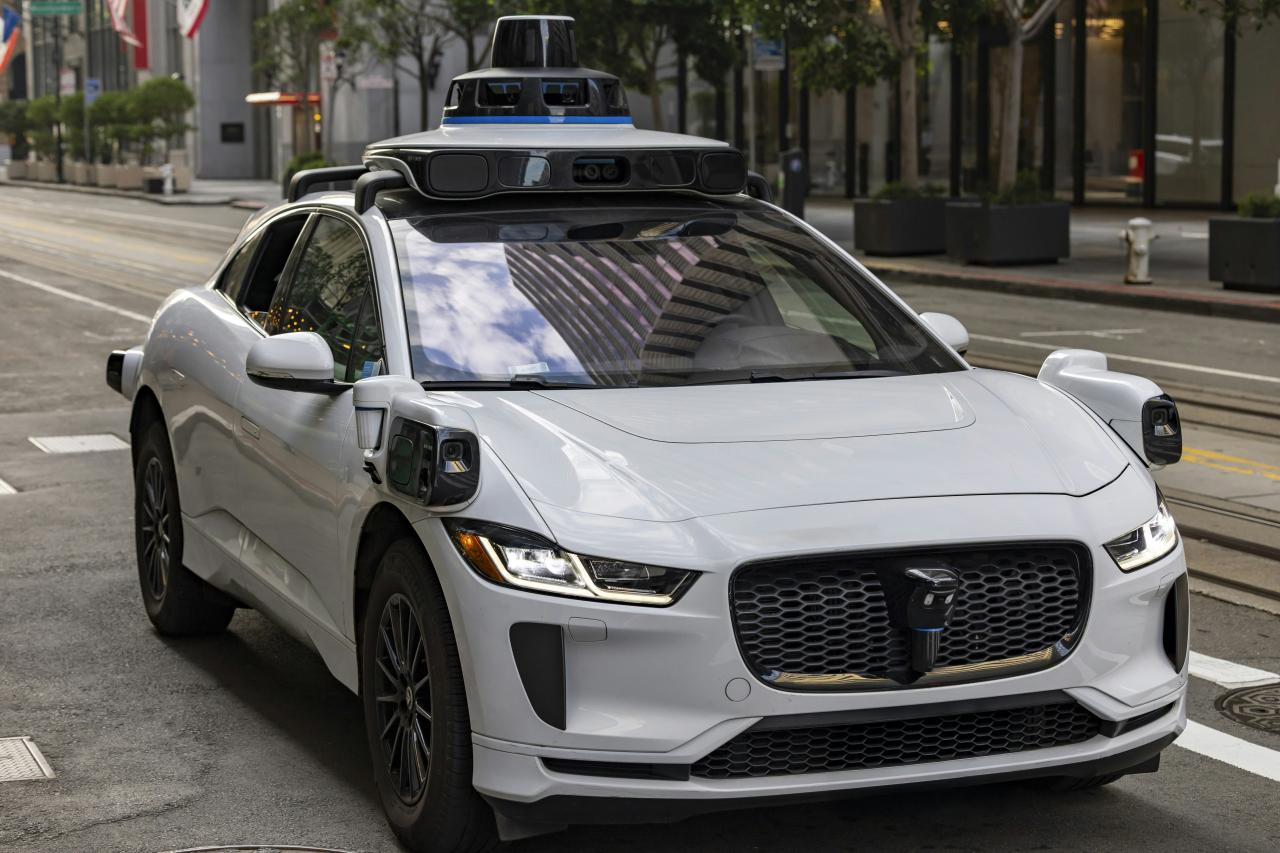
The rapid integration of artificial intelligence into our modern transportation systems marks a significant turning point for global road safety. For decades, highway accidents remained a tragic reality of long-distance travel, often caused by human error, fatigue, or unpredictable weather conditions.
However, the emergence of sophisticated AI assistants now provides a digital shield that monitors the road with a level of precision that no human could ever maintain. These advanced systems utilize a complex network of sensors, cameras, and machine learning algorithms to anticipate danger before it even manifests on the horizon.
By processing millions of data points every second, AI can detect a drifting vehicle or a sudden obstacle much faster than the human eye can blink. Drivers now benefit from a secondary brain that never grows tired, never gets distracted by a smartphone, and never loses focus during late-night journeys.
This technological revolution does not just aim to reduce collisions; it seeks to transform the very nature of driving into a collaborative effort between human intuition and machine accuracy.
As we move closer to a future of fully autonomous transit, these AI assistants serve as the essential foundation for a world where highway fatalities become a relic of the past. This article explores the specific mechanisms that allow AI to prevent accidents and how you can utilize these features to protect your family during every trip.
Real-Time Hazard Detection and Predictive Braking

The core strength of a modern highway AI assistant lies in its ability to scan the environment in three hundred and sixty degrees. Traditional safety features relied on the driver to react, but AI shifts this responsibility by analyzing the trajectory of surrounding vehicles and identifying potential threats in real-time.
If the car ahead slams on its brakes or a vehicle enters your blind spot at a dangerous speed, the AI calculates the risk and prepares the car to respond. This proactive approach significantly narrows the window for error, especially during high-speed travel where every millisecond counts.
A. Advanced Computer Vision Systems
High-definition cameras act as the eyes of the AI, identifying lane markings, traffic signs, and other road users with extreme accuracy.
These systems can distinguish between a harmless plastic bag blowing in the wind and a solid object that requires an emergency stop. My perspective is that this technology solves the “visibility” problem during heavy rain or fog, as infrared sensors can often “see” heat signatures that the human eye misses entirely.
B. Radar and Lidar Synchronization
By bouncing radio waves and laser light off nearby objects, the AI creates a precise three-dimensional map of everything around the car.
This data allows the vehicle to know the exact distance and speed of other cars, even if they are several hundred meters away. I believe this synchronization acts as the ultimate defense against pile-up accidents, as the car knows the traffic flow far beyond the driver’s immediate line of sight.
C. Automatic Emergency Braking
If the system determines that a collision is imminent and the driver has not reacted, it can apply full braking force to stop the vehicle or reduce the impact.
This feature has already saved countless lives in rear-end scenarios where a driver’s attention might have flickered for just a second. From my view, this solves the “reaction gap” problem, ensuring that the car takes life-saving action even when the human brain is slow to process a crisis.
D. Pedestrian and Animal Recognition
Highways often border rural areas where wildlife can jump into the road without warning, causing devastating high-speed crashes.
AI assistants can recognize the specific movement patterns of animals or pedestrians and alert the driver or swerve slightly to avoid a hit. I see this as a vital tool for night driving, providing a level of security that makes long-distance travel much less stressful for the person behind the wheel.
Driver Monitoring and Fatigue Prevention Systems
Human fatigue remains one of the leading causes of highway disasters, particularly for long-haul truckers and vacationing families. AI assistants now include internal sensors that keep a close watch on the driver’s physical state rather than just the road outside.
By monitoring eye movement, head position, and even heart rate, the AI can detect the earliest signs of drowsiness before the driver even realizes they are tired. This creates a feedback loop that encourages safer habits and forces necessary breaks during long stretches of monotonous highway driving.
A. Eye-Tracking and Gaze Analysis
Small cameras mounted on the dashboard or steering column track the frequency of your blinks and the direction of your gaze. If the AI detects that your eyes are closing for too long or that you are looking away from the road frequently, it will trigger an audible and visual warning.
My perspective is that this directly solves the problem of “highway hypnosis,” where a driver enters a trance-like state and loses situational awareness.
B. Steering Pattern Recognition
Tired drivers often make micro-corrections to their steering or allow the car to drift slightly before jerking it back into the lane.
The AI learns your unique driving style and can spot these erratic patterns as a sign of exhaustion or impairment. I believe this subtle monitoring is actually more effective than a simple alarm, as it catches the problem in its early “micro-sleep” phase before a major drift occurs.
C. Cabin Environment Adjustments
When the AI senses that a driver is losing focus, some advanced systems can lower the temperature, increase the volume of the music, or even release a refreshing scent.
These small interventions aim to provide a quick burst of alertness until the driver can safely pull over at a rest stop. This helps solve the reader’s problem of “pushed limits,” giving them a physical nudge to acknowledge their physical exhaustion.
D. Scheduled Break Suggestions
By tracking the total hours spent behind the wheel without a significant pause, the AI can suggest the best nearby locations for coffee or a nap.
It integrates with navigation data to find the safest and most convenient spots to stop based on your current route. From my view, this turns the AI into a professional co-pilot that manages the logistics of safety so the driver can focus on the path ahead.
Lane Keeping Assist and Blind Spot Intervention
Highways often involve multiple lanes of traffic moving at high speeds, which makes lane changes one of the most dangerous maneuvers a driver can perform. AI assistants provide active support by ensuring the vehicle stays centered within its lane and preventing accidental crossovers.
These systems do more than just beep; they can apply gentle steering torque to guide the car back to safety if the sensors detect an unintentional departure. This technology is particularly useful on long, straight roads where it is easy for a driver’s focus to wander.
A. Active Lane Centering
Using the front-facing cameras, the AI identifies the boundaries of the lane and keeps the vehicle perfectly positioned in the middle.
This reduces the physical effort required to drive, which in turn reduces the overall fatigue levels for the driver. My perspective is that this solves the “drift” problem caused by heavy crosswinds or uneven road surfaces, keeping the car stable without constant manual effort.
B. Blind Spot Collision Avoidance
Radar sensors located in the rear bumpers constantly monitor areas that are invisible to the driver through the mirrors.
If you activate your turn signal while a vehicle is in your blind spot, the AI can provide a vibrating alert through the steering wheel or even resist the turn. I believe this is an essential feature for highway driving, as it prevents the “hidden car” accidents that occur during high-speed merges.
C. Road Edge Detection
In areas where lane markings are faded or missing, advanced AI can identify the edge of the pavement or the beginning of a grass shoulder to keep the car on the road.
This prevents the vehicle from sliding off into a ditch or hitting a guardrail due to poor infrastructure visibility. This helps solve the reader’s problem of “unfamiliar roads,” providing a layer of protection even in less-than-ideal driving conditions.
D. Dynamic Steering Assistance
The AI can adjust the “weight” and sensitivity of the steering based on the speed of the vehicle and the sharpness of the curve.
At highway speeds, the steering becomes firmer to prevent over-corrections that could lead to a rollover or a loss of control. From my view, this mechanical adjustment makes the car feel more planted and secure, giving the driver more confidence during high-velocity travel.
Intelligent Speed Adaptation and Traffic Flow Harmony
Maintaining a safe speed and a proper following distance is the most basic rule of highway safety, yet it is frequently ignored by humans. AI assistants solve this through adaptive cruise control systems that automatically adjust the car’s speed to match the flow of traffic.
By communicating with other vehicles or using radar, the AI ensures that you are never tailgating the car in front, even if they suddenly slow down. This creates a “buffer zone” of safety that moves with you, drastically reducing the risk of multi-car pile-ups.
A. Adaptive Cruise Control with Stop-and-Go
This feature maintains a set distance from the vehicle ahead, slowing down or speeding up as traffic conditions change. In heavy highway congestion, the AI can bring the car to a full stop and then resume driving once the traffic begins to move again.
My perspective is that this solves the “frustration” factor of traffic jams, which often leads to aggressive driving and preventable “fender bender” accidents.
B. Traffic Sign Recognition
The AI can read speed limit signs, construction warnings, and school zone indicators, displaying them clearly on the dashboard or head-up display.
In some models, the car can automatically adjust its speed to match the legal limit of the current road segment. I believe this is a great tool for avoiding accidental speeding tickets and ensuring you are always driving at a safe velocity for the specific environment.
C. Predictive Curve Speed Adjustment
By using GPS data and topographical maps, the AI knows when a sharp curve or a steep descent is approaching before you can see it.
It can gently reduce the vehicle’s speed to ensure you enter the turn at a safe and stable velocity. This helps solve the reader’s problem of “overshooting” a turn, especially when driving at night or in areas where the road layout is unpredictable.
D. Cooperative Traffic Management
Future AI systems will allow cars to “talk” to each other, sharing information about road hazards or sudden braking events miles ahead.
This creates a “hive mind” of safety where every car on the highway works together to prevent accidents and optimize traffic flow. From my view, this level of connectivity is the final step toward a perfectly safe highway system where human error is completely removed from the equation.
Conclusion

AI makes highways safer. The technology saves many lives. It acts as a shield. Drivers feel much more secure. Modern sensors scan the road. They see things humans miss.
The car can stop itself. This prevents many high-speed crashes. Fatigue is a big danger. AI watches your eyes closely. It tells you when to rest.
Always listen to the warnings. Lane assist keeps you steady. The car stays in the middle. This reduces the stress of driving. Merging becomes much easier now.
Radar sees through the fog. It tracks cars far away. Speed stays at a safe level. Traffic moves in a smooth way. Artificial intelligence is the future.
Cars are getting much smarter. Human error is slowly disappearing. Safety is the top priority. Protect your family on every trip. Choose a car with good AI.
Learn how the features work. Use them every single day. The road is a better place. Technology brings peace of mind. We are moving toward zero accidents. Enjoy the journey with AI.

