

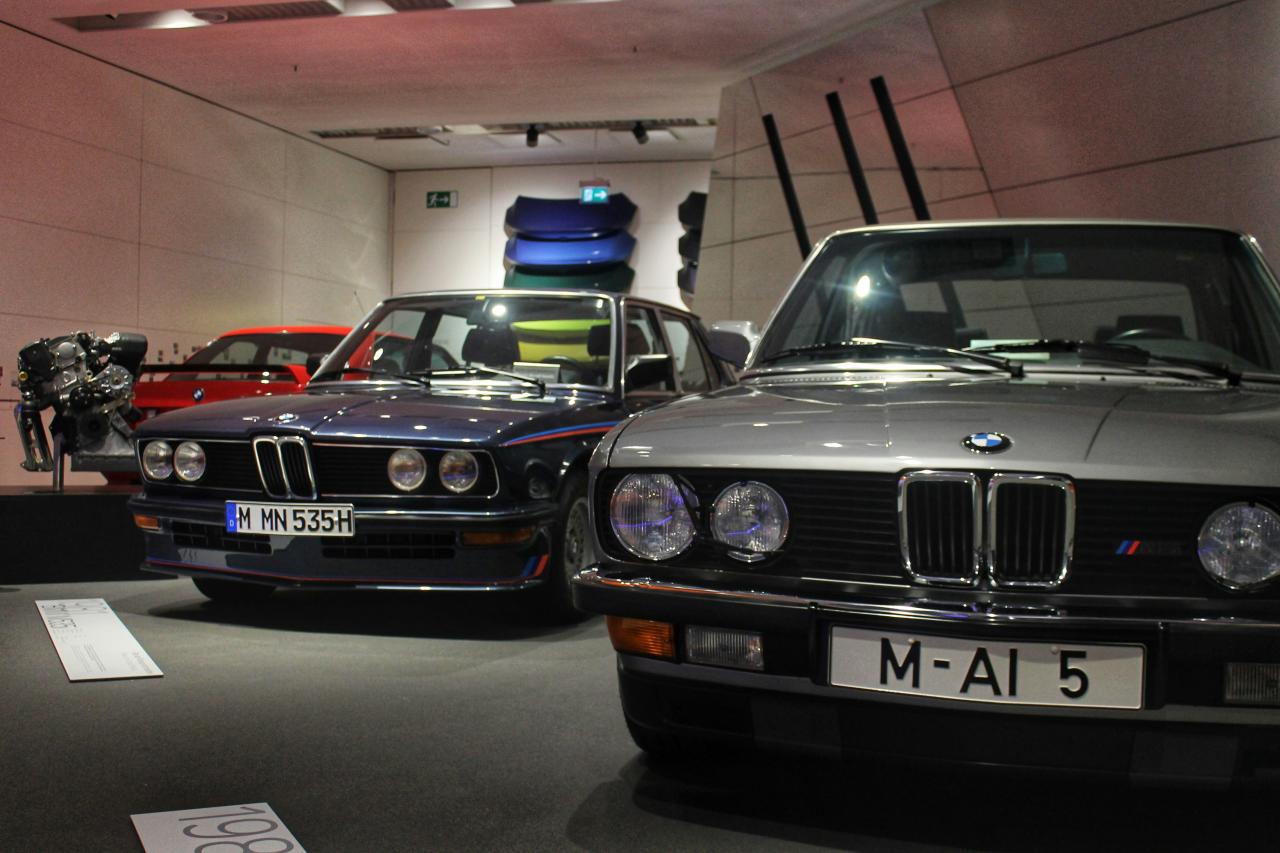
The decade of the nineties represents a golden era for automotive engineering where analog soul met digital precision for the first time. Many enthusiasts consider these vehicles the “sweet spot” of car culture because they offer enough technology to be reliable but not enough to feel disconnected from the driver.
We see a massive surge in the market value of these machines as the generation that grew up with posters of them on their walls now has the financial power to buy them. These cars provide a visceral driving experience that modern vehicles with their heavy batteries and muted electric steering simply cannot replicate.
You can feel the mechanical vibration through the steering wheel and hear the raw intake growl without any artificial sound enhancement. Collectors now hunt for well-preserved examples that survived the era of extreme modifications and street racing.
As the supply of clean, low-mileage survivors continues to shrink, the prices for these iconic models continue to climb at an astonishing rate. Whether you look at Japanese legends, European grand tourers, or American muscle, the trend remains clear: the nineties are the new blue-chip investment.
This article explores the specific models that are currently leading this price revolution and why they deserve a spot in your garage. We will analyze the engineering feats that make them special and the cultural impact that keeps their legacy alive today.
The Japanese Legend: Nissan Skyline GT-R R32

The Nissan Skyline GT-R R32 earned the nickname “Godzilla” for its absolute dominance in Group A touring car racing. It introduced the world to the advanced ATTESA E-TS all-wheel-drive system and the legendary RB26DETT twin-turbo inline-six engine.
For many years, these cars remained a forbidden fruit for North American collectors due to import restrictions, but that has changed recently. Now that they are legal to own globally, the demand has skyrocketed, making them one of the most sought-after Japanese domestic market vehicles in history.
A. Revolutionary All-Wheel Drive Technology
The R32 uses a sophisticated system that can send up to fifty percent of the torque to the front wheels only when it detects a loss of traction. This allows the car to handle like a rear-wheel-drive sports car on exits while maintaining incredible grip during mid-corner transitions.
My perspective is that this technology solves the problem of “understeer” that plagued many early high-power AWD cars, giving the driver a much more predictable and rewarding experience.
B. The Bulletproof RB26DETT Engine
The 2.6-liter twin-turbo engine is a masterpiece of over-engineering, featuring a cast-iron block that can handle massive amounts of boost without failing.
Even in stock form, it provides a smooth and linear power delivery that makes the car feel much faster than the official “gentleman’s agreement” horsepower ratings suggest. I believe this mechanical durability is the key to its rising value, as it represents the peak of Japanese industrial strength.
C. Minimalism in Interior Design
Unlike modern cars full of touchscreens, the R32 cockpit focuses entirely on the driver with simple analog gauges and a functional layout.
The seats provide excellent lateral support for spirited driving while remaining comfortable enough for long weekend cruises. This helps solve the reader’s problem of “digital distraction,” allowing them to focus entirely on the mechanical connection between their hands and the road.
D. Racing Heritage and Cultural Impact
The R32 didn’t just win races; it stayed undefeated in the Japanese Touring Car Championship for four straight seasons.
This winning pedigree creates a sense of prestige that few other cars from this era can match, making it a “must-have” for serious collectors. From my view, owning an R32 is like owning a piece of motorsport history that you can actually drive to the grocery store.
European Grand Touring Perfection: BMW M3 E36
The E36 M3 marked the transition of the M3 brand from a high-strung four-cylinder homologation special to a sophisticated six-cylinder grand tourer. It offered a level of balance and chassis communication that many journalists still consider the benchmark for sports sedans today.
While it was once overlooked in favor of its predecessor and successor, the E36 is finally getting the respect it deserves in the collector market. It provides a more refined and usable experience that makes it the perfect daily-driver classic for the modern enthusiast.
A. The Smooth S50 and S52 Inline-Six
The heart of the E36 M3 is a 3.0 or 3.2-liter straight-six engine that produces a glorious metallic howl as it nears its redline.
It offers plenty of low-end torque for city driving while still feeling eager to rev on the open highway. My take is that this engine solves the “reliability” concerns often associated with European exotics, as it is a relatively simple and robust design that any good mechanic can maintain.
B. Masterclass in Chassis Balance
BMW achieved a nearly perfect fifty-fifty weight distribution, making the E36 M3 feel incredibly nimble and responsive to every steering input.
The suspension provides enough feedback to tell you exactly what the tires are doing without being so stiff that it ruins your commute. I believe this balance is the reason why the E36 remains a favorite for track day enthusiasts and canyon carvers alike.
C. Iconic “Vader” Sport Seats
The high-back sport seats found in the E36 coupes are some of the most recognizable interior features in automotive history.
They offer incredible support during high-speed cornering and add a unique visual flair to the cabin that screams “nineties performance.” This solves the reader’s problem of “sliding around” in a seat during spirited drives, keeping them firmly planted and in control.
D. The Rise of the Lightweight Specials
Rare versions like the M3 Lightweight (LTW) have seen their values explode into the six-figure range, pulling the prices of standard models up with them.
These stripped-down versions removed the radio and air conditioning to shave every possible gram of weight for the track. From my perspective, the scarcity of these special editions proves that the market values purity and purpose over luxury features.
The American Supercar: Dodge Viper RT/10
When the Dodge Viper first appeared, it shocked the world with its massive 8.0-liter V10 engine and a complete lack of driver aids like ABS or traction control. It was a brutal, uncompromising machine that demanded respect and skill from anyone brave enough to sit behind the wheel.
The Viper represents the “wild west” of the nineties, where manufacturers were still willing to take massive risks on radical designs. Today, its rarity and raw nature make it one of the fastest-appreciating American cars of the decade.
A. Massive V10 Torque and Power
The truck-based V10 engine provides a wave of torque that can spin the rear tires in almost any gear if you are not careful. It offers a visceral, thumping soundtrack that sounds like nothing else on the road, emphasizing the car’s aggressive and predatory nature.
My perspective is that this engine solves the “boring power” problem of modern turbo engines, giving you a physical punch that you feel in your chest.
B. No-Frills Analog Experience
The early RT/10 models didn’t even have external door handles or real windows, using zip-in plastic curtains instead.
This lack of luxury highlights the car’s singular focus on performance and raw speed over comfort. I believe this “danger factor” is actually a major selling point for modern collectors who are tired of cars that feel too safe and sanitized.
C. Striking and Aggressive Exterior
The long hood and short rear deck, combined with the side-exit exhausts, give the Viper a silhouette that remains iconic and intimidating.
It is a car that stops traffic wherever it goes, attracting attention from people who might not even care about cars. This helps solve the reader’s desire for “uniqueness,” as you will likely be the only person in your city driving a first-generation Viper.
D. Appreciation for Low Production Numbers
Dodge produced relatively few Vipers compared to the Corvette, making them much harder to find in good condition.
As more people realize how special these raw machines are, the available supply is disappearing into private collections. From my view, the Viper is the ultimate investment for someone who wants an American icon that will never be built again.
Precision and Balance: Porsche 911 (993)
The 993 generation is the final chapter of the air-cooled Porsche 911 story, making it one of the most significant models in the brand’s history. It combined the classic air-cooled flat-six sound with a much-improved multi-link rear suspension that made the car much easier to drive at the limit.
For many Porsche purists, the 993 represents the peak of the 911’s evolution before the move to water-cooling and larger body styles. Its values have remained incredibly strong, and clean examples are now considered blue-chip assets.
A. The Final Air-Cooled Flat-Six
The engine in the 993 provides a mechanical symphony of fans, valves, and exhaust notes that water-cooled engines simply cannot match.
It offers a compact and lightweight package that keeps the center of gravity low and the handling sharp. My perspective is that this engine solves the “synthetic sound” problem, providing a real, organic soundtrack that changes with every millimeter of throttle input.
B. Multi-Link Rear Suspension Upgrade
The 993 was the first 911 to feature a sophisticated rear suspension that largely cured the “widowmaker” tendency of earlier models to snap-oversteer.
This makes the car much more approachable for the average driver while still offering the rewards of a rear-engine layout. I believe this engineering leap is why the 993 is so popular for daily driving and long-distance touring among collectors.
C. Exquisite Build Quality and Fit
Porsche’s build quality in the mid-nineties was second to none, with every switch and handle feeling like it was carved from a solid block of material.
The doors close with a famous “ping” sound that signifies a perfectly airtight and solid cabin. This helps solve the reader’s “rattle and squeak” frustrations that often come with older cars, making the 993 feel like a modern luxury product.
D. Timeless and Elegant Curves
The 993 smoothed out the lines of the 964, creating a wider, more muscular stance that still looks modern today. It is widely considered the most beautiful 911 ever made, balancing classic heritage with a hint of modern aerodynamics.
From my view, the aesthetic appeal of the 993 ensures that it will always be a centerpiece of any serious automotive collection.
The Turbocharged Giant: Toyota Supra MKIV
No discussion of the nineties is complete without the Toyota Supra MKIV and its legendary 2JZ-GTE engine. Originally designed as a grand tourer, the Supra became a global icon thanks to its role in movies and its reputation for handling massive amounts of horsepower.
The prices for unmodified, manual-transmission Supras have reached astronomical levels, often crossing into the six-figure territory at major auctions. It is a car that symbolizes the peak of Japanese performance engineering and cultural dominance.
A. The Infinite Potential of the 2JZ
The 3.0-liter twin-turbo engine features a cast-iron block that is so strong it can handle over a thousand horsepower with the original bottom end. This allows owners to build world-beating performance machines without sacrificing the core reliability of the car.
My perspective is that this solves the “fragile engine” problem of most high-power builds, providing a solid foundation for any level of performance the reader desires.
B. Cockpit-Style Interior Layout
The dashboard of the Supra wraps around the driver like a jet fighter, placing every control within easy reach. This creates a focused and immersive environment that makes the driver feel like the center of the universe.
I believe this ergonomic excellence is a major part of why the car feels so modern and “expensive” compared to other vehicles from the same era.
C. Advanced Aerodynamics and Styling
The large factory rear wing and smooth, flowing lines of the body were designed to provide stability at high speeds on the Autobahn.
It is a design that has aged incredibly well, still looking fast and aggressive even when parked next to a brand-new sports car. This helps solve the reader’s “dated look” concern, as the Supra remains a head-turner in any social environment.
D. Scarcity of Stock Examples
Because so many Supras were modified and tuned, finding a factory-original example is like finding a needle in a haystack. This extreme rarity is driving the prices through the roof for collectors who want a pure, unmolested version of this Japanese legend.
From my view, the Supra is the perfect example of how a car’s cultural status can drive its value far beyond its original MSRP.
Conclusion

The nineties cars are special. They have a real soul. Analog feel meets good tech. You feel the road now. Prices are going up fast. Low mileage cars are rare. Clean survivors are the best.
Collectors want the original look. Nissan and BMW lead now. Toyota and Porsche follow close. Every model has a story. The engine makes a music. No screens distract the driver. You focus on the turns.
The seats hold you tight. The gears click with joy. Maintenance is the key here. Parts are still easy to find. Keep the history alive today. Drive your investment every week. Nostalgia is a strong force.
The posters come to life. The nineties will never die. The metal tells a truth. Protect your vintage Japanese steel. Watch the German marks climb. American muscle stays very loud. The world loves these cars. Go find your dream car. Start your collection right now. The journey is very beautiful. The nineties are waiting today.

