

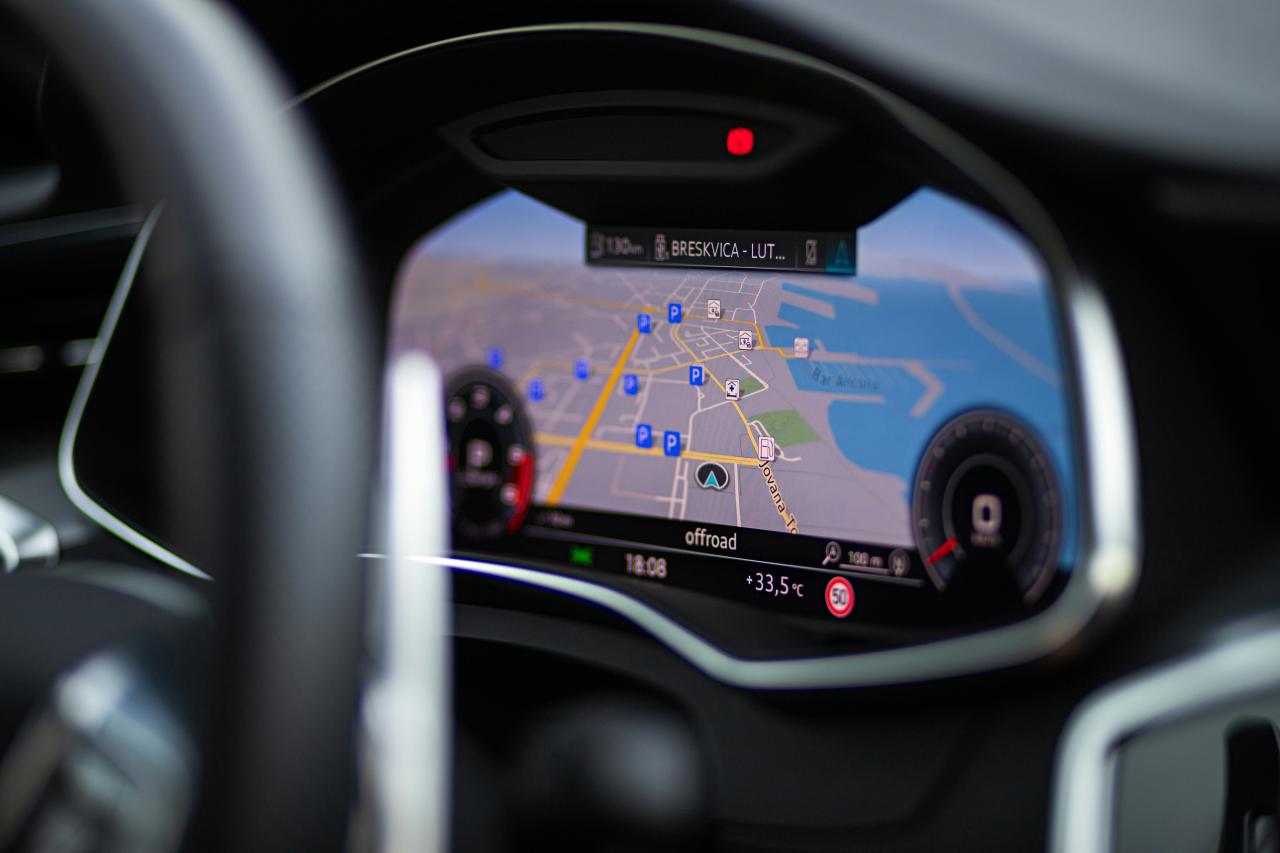
The automotive industry currently undergoes a radical transformation that changes how we perceive our personal transportation. For decades, a car remained a static machine of metal and gears that stayed exactly the same from the day you bought it until the day you sold it.
However, the rise of the software defined vehicle means your car now functions more like a high-performance smartphone on wheels. Manufacturers can now improve your vehicle’s performance, safety, and entertainment features overnight through simple wireless updates.
This shift represents a massive leap in value for the average consumer, as the car actually gets better over time rather than just depreciating and aging. Imagine waking up to find that your electric vehicle now has more range or a smoother suspension system because of a new lines of code.
This technology removes the need for frequent trips to the dealership for minor adjustments or feature additions. We are moving into an era where the hardware provides the foundation, but the software defines the entire driving experience.
This article explores the mechanics of these updates and what they mean for the future of your journey on the open road.
Mastering Over the Air Update Infrastructure

The backbone of this revolution is the Over-the-Air or OTA update system which allows manufacturers to send data directly to your car. This process uses secure cloud servers and cellular connections to deliver patches that fix bugs or unlock brand new capabilities.
Unlike the old days of manual recalls, these updates happen in the background while you sleep or while the car sits in your garage. This infrastructure ensures that every vehicle on the road stays up to date with the latest security protocols and performance enhancements.
A. Cloud to Vehicle Communication
The manufacturer pushes a data package to a secure server which then authenticates with your vehicle’s unique identification.
This ensures that only the correct software reaches your specific model and hardware configuration. My perspective is that this solves the “recall fatigue” problem because you no longer have to lose a whole afternoon at a service center for a software patch.
B. In-Vehicle Gateway Management
Once the car receives the data, a central gateway manages the distribution of that software to various electronic control units.
This system checks for errors and ensures the download is complete before starting the installation process. I believe this “pre-check” is vital for safety, as it prevents the car from starting an update if the battery is too low or the connection is unstable.
C. Seamless Background Installation
Most modern vehicles can download the update while you are driving and only ask for permission to install it once you park.
This minimizes downtime and ensures that your daily commute remains uninterrupted by technical maintenance. This helps solve the reader’s problem of “tech interruptions” by keeping the most complex parts of the process invisible and non-intrusive.
D. Version Rollback and Safety
If an update encounters an error during the installation, the system can automatically roll back to the previous stable version.
This failsafe ensures that your car remains drivable and safe even if a data packet gets corrupted during transmission. From my view, this level of redundancy provides the peace of mind that allows users to trust software over traditional mechanical fixes.
Enhancing Performance Through Dynamic Powertrain Tuning
One of the most exciting aspects of software defined vehicles is the ability to tune the engine or electric motor performance remotely. Engineers can refine the power delivery, optimize fuel efficiency, or even increase the torque of a vehicle through software optimization.
This means the physical limits of your car are no longer set in stone by the factory settings. As the manufacturer gathers more data from thousands of vehicles, they can find better ways to manage energy and heat.
A. Electric Motor Efficiency Gains
For electric vehicles, software updates can fine-tune the inverter settings to squeeze more miles out of a single battery charge.
This essentially gives you a free “range boost” without needing to install any new physical parts or batteries. I see this as the ultimate solution for “range anxiety,” as your car’s efficiency continues to evolve and improve throughout its lifecycle.
B. Adaptive Suspension and Handling
If your car has electronically controlled dampers, an update can change how the vehicle reacts to bumps or corners. The manufacturer can offer different “modes” like comfort or sport that completely transform the physical feel of the ride.
My take is that this solves the problem of “buying the wrong car” because you can adjust the personality of your vehicle to match your current needs.
C. Regenerative Braking Optimization
Software can adjust how aggressively the car slows down when you lift off the accelerator to capture more energy.
This not only improves range but also changes the driving feel to be more intuitive and smooth for the user. I believe this level of customization allows every driver to find their own “sweet spot” for one-pedal driving and city navigation.
D. Thermal Management for Longevity
AI algorithms can better predict when the battery or engine needs cooling based on your driving habits and local weather.
Better thermal management leads to a longer lifespan for the most expensive components of your vehicle. This solves the reader’s long-term “reliability” concerns by using smart data to protect the physical health of the machine.
Revolutionizing the In-Cabin User Experience
The interior of the vehicle has become a digital sanctuary where software defines the entertainment and comfort levels. From new streaming apps to sophisticated voice assistants, the cabin experience can change entirely through a feature update.
Manufacturers are now building their own operating systems that allow for a high level of personalization and third-party app integration. This turns the car into a mobile office or a theater, depending on what the software allows at that moment.
A. Infotainment App Ecosystems
New updates often bring popular music and video streaming services directly to your dashboard screen. This keeps the car feeling modern and relevant even as new digital trends emerge in the wider tech world.
My perspective is that this solves the “outdated tech” problem where a five-year-old car’s navigation used to feel like an ancient relic compared to a phone.
B. Advanced Voice Command Logic
Software updates can improve the natural language processing of your car, making it easier to control the climate or navigation with your voice.
This reduces driver distraction because you no longer need to hunt through menus on a touchscreen to change a setting. I believe that better voice control is a fundamental safety feature that keeps your eyes on the road and your hands on the wheel.
C. Personalized Driver Profiles
The car can use software to recognize who is sitting in the driver’s seat and automatically adjust the seat, mirrors, and favorite playlists.
These profiles can even be stored in the cloud so they follow you if you rent or buy another car from the same brand. This helps solve the “multi-driver” headache in families by ensuring everyone’s specific preferences are loaded instantly.
D. Ambient Lighting and Soundscapes
Updates can introduce new interior lighting colors or “sound signatures” for the cabin to match your mood or the time of day.
Some cars even play soothing nature sounds or “engine noises” through the speakers to enhance the atmospheric experience. From my view, these “soft” features are what turn a basic trip into a luxury experience that feels curated specifically for you.
The Rise of Features on Demand and Subscriptions
The software defined vehicle model introduces a new economic structure where you can buy or subscribe to specific features after you own the car. This might include high-end self-driving capabilities, heated seats, or even extra horsepower for a weekend trip.
While this model is controversial, it allows users to pay only for what they actually use rather than paying for every option upfront. It also allows second-hand buyers to unlock features that the original owner might have skipped.
A. Unlocking Hardware Capabilities
Many cars now come with “dormant” hardware like seat heaters or advanced sensors that you can activate through a software purchase.
This allows manufacturers to simplify their production lines while giving customers more choices later in life. My take is that this solves the “buyers remorse” problem by letting you upgrade your car whenever your budget or needs change.
B. Monthly Subscription Services
For features that require constant data or cloud support, like live traffic or satellite maps, a subscription model makes technical sense.
It ensures the manufacturer can afford to maintain the high-speed data connections and server costs required for these tools. I see this as a fair exchange for “live” services that require constant updates and human monitoring behind the scenes.
C. Temporary Performance Boosts
Some brands allow you to “rent” extra power or advanced cruise control specifically for a long road trip or a track day.
This flexibility means you don’t have to pay for a high-performance package that you only use three times a year. I believe this is a great way to save money for the average driver who only wants “extra” features for special occasions.
D. Resale Value Enhancement
When you sell a software defined vehicle, the next owner can see exactly which features are unlocked and which ones they can add later.
This transparency makes the used car market more dynamic and can actually help your car hold its value better over time. From my view, this solves the “obsolescence” problem because the car’s software can stay current even as the hardware ages.
Safety Innovations and Automated Driving Progress
Software defines the safety of the modern vehicle through advanced driver assistance systems that constantly monitor the road. As the AI gets smarter, the car can handle more complex scenarios like merging onto highways or avoiding sudden obstacles in the city.
Updates allow manufacturers to deploy life-saving improvements to these systems based on real-world accident data collected from millions of miles. This means your car’s ability to protect you actually improves the longer you own it.
A. Improved Object Recognition
Software updates refine the computer vision algorithms so the car can better distinguish between a pedestrian, a cyclist, or a stationary object.
This leads to fewer false alarms and more precise emergency braking when a real danger appears on the road. My perspective is that this solves the “system trust” problem by making the car’s safety interventions feel more natural and less jarring.
B. Adaptive Cruise Control Logic
Updates can make the car’s following distance and acceleration feel more “human” and less mechanical in heavy traffic.
This reduces the stress of long commutes and makes the automated systems much more comfortable to use for long periods. I believe that a smoother “autopilot” experience is the key to getting people to embrace the future of fully autonomous travel.
C. Emergency Maneuver Enhancements
If the car detects a collision is unavoidable, software can decide the best path to minimize the impact or swerve into an empty lane.
These split-second decisions happen much faster than a human brain can process the crisis. This helps solve the reader’s “unpredictable road” problem by providing a digital co-pilot that is always alert and ready to act.
D. V2X Communication Capability
Updates are beginning to unlock “Vehicle-to-Everything” communication, allowing your car to talk to traffic lights and other vehicles.
This helps the car “see” around corners or know when a light is about to turn red before it is even visible. From my view, this is the final piece of the safety puzzle that will eventually lead to a world with zero traffic accidents.
Conclusion

The car is now a digital friend. It grows with you every single day. Software makes the drive much safer now. You do not need many new parts. Over the air updates are very fast. They fix the small bugs while you sleep.
Your range can get much better too. The motor works in a smarter way. The cabin is a place for fun. You can watch movies or listen well. New apps come to your screen often.
The voice control understands your real words. You can buy the features you want. Subscribe to the tools you need today. This keeps the cost very low for you. The car stays fresh for a long time.
AI watches the road for your family. It stops the car if danger is near. The sensors never get tired or bored. Every update makes the safety much stronger. The future of driving is very bright. We move toward a world with no crashes.
Your car is getting better every single week. Enjoy the journey with your smart vehicle. Take time to learn the new features. Check your settings after every big update. Technology is here to help you move. Go out and explore the open road.

