

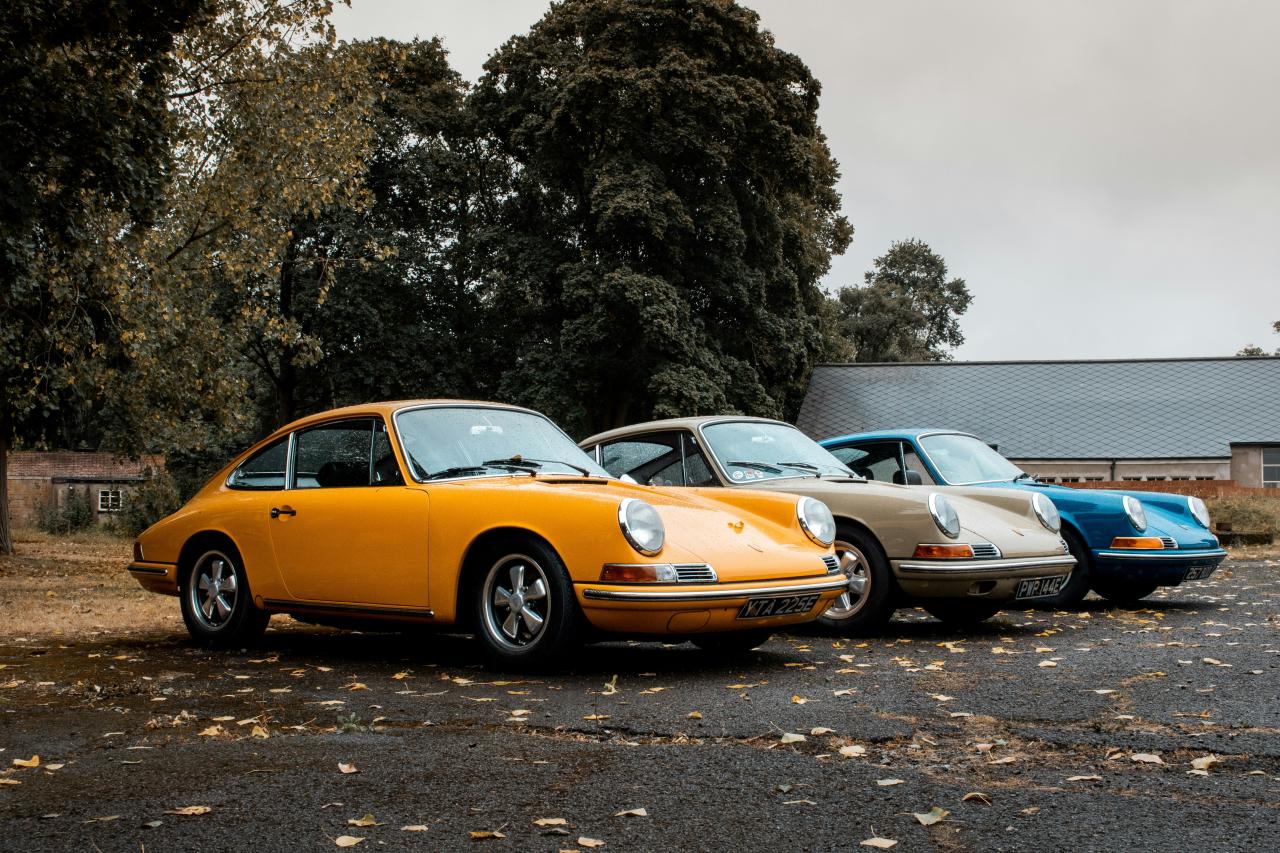
Entering the world of classic car ownership feels like stepping back into a golden era of mechanical purity and timeless style. For many, the dream of cruising in a vintage masterpiece represents the ultimate expression of personal freedom and a deep appreciation for automotive history.
However, buying your first classic is significantly different from purchasing a modern daily driver from a local dealership. You are not just buying a mode of transportation; you are acquiring a piece of art that requires a unique set of skills, patience, and financial planning.
The market for vintage vehicles can be unpredictable, with values fluctuating based on rarity, condition, and historical significance. Many first-time buyers fall into the trap of letting their emotions drive the purchase, leading to expensive “money pits” that spend more time in the garage than on the open road.
To succeed, you must combine your passion with a cold, analytical approach to inspection and negotiation. This comprehensive guide serves as your roadmap to navigating the complex landscape of the classic car market.
We will explore everything from choosing the right model to performing a deep mechanical audit that saves you from future headaches. By the end of this journey, you will have the confidence to make an informed decision and finally park that dream car in your driveway.
Defining Your Vision and Setting Realistic Goals

The first step in your journey involves a deep reflection on what you actually want from a classic car experience. Are you looking for a “trailer queen” that you only show off at local events, or do you want a rugged “weekend warrior” for long coastal drives?
Some enthusiasts enjoy the process of a “rolling restoration,” where they fix parts while still driving the car, while others want a turn-key vehicle that is ready for immediate action. Defining your purpose early prevents you from buying a car that doesn’t fit your lifestyle or mechanical ability.
A. Researching Specific Makes and Models
Start by listing your favorite cars and then dive into their specific histories, common failure points, and parts availability. Some beautiful European sports cars might have parts that are nearly impossible to find, while an old American muscle car might have a massive catalog of aftermarket support.
My perspective is that choosing a popular model for your first classic solves the “parts hunt” problem, ensuring you spend more time driving and less time scouring obscure forums for a single bolt.
B. Establishing a Transparent Budget
Your budget must account for the purchase price, immediate registration fees, insurance, and a “emergency fund” for the inevitable first repair.
Classics often hide secrets that only reveal themselves after a few hundred miles of driving. I believe that setting aside at least twenty percent of your total budget for post-purchase maintenance is the smartest move a beginner can make.
C. Assessing Your Storage Capabilities
A vintage car cannot sit outside in the rain or under a sappy tree without rapidly deteriorating. You need a dry, secure, and ideally climate-controlled space to preserve the paint and prevent the dreaded spread of rust.
This helps solve the reader’s problem of “rapid depreciation” because a well-kept car maintains its value far better than one exposed to the elements.
D. Understanding Local Laws and Emissions
Check if your specific region has exemptions for vintage vehicles regarding smog tests or safety inspections. Some older cars might require significant modifications to meet modern road standards, which adds to your total cost.
From my view, knowing these legal hurdles before you buy prevents a situation where you own a beautiful car that you cannot legally drive on public roads.
The Art of the Physical Mechanical Inspection
Once you find a potential candidate, you must move beyond the shiny paint and the chrome bumpers to inspect the actual “bones” of the machine. Classic cars do not have on-board computers to tell you what is wrong; they speak through smells, sounds, and physical textures.
A thorough inspection requires you to get dirty, look under the chassis, and test every single switch and lever. If the seller refuses to let you perform a deep check, take that as a massive warning sign and walk away immediately.
A. The Hunt for Structural Rust
Rust is the silent killer of vintage automobiles and is often much deeper than what you see on the surface. Check the floor pans, the trunk, and especially the “frame rails” for any signs of rot or soft metal.
My take is that mechanical issues are easy to fix with a wrench, but structural rust requires expensive bodywork that often exceeds the value of the car. Solving the rust problem early is the best way to protect your long-term investment.
B. Engine and Transmission Health Check
Look for leaks around the gaskets, check the color of the oil, and listen for any rhythmic knocking or clicking sounds while the engine is idling.
A healthy classic should start relatively easily and stay running without constant feathering of the throttle. I believe that a test drive is non-negotiable; you need to feel how the transmission shifts and listen for any whining sounds coming from the rear differential.
C. Electrical System and Wiring Integrity
Older cars often suffer from “hacked” wiring where previous owners tried to install modern stereos or alarms. Check that the headlights, turn signals, and dashboard gauges work consistently.
From my perspective, electrical gremlins are the most frustrating problems to solve, so finding a car with an original, clean wiring harness is a huge win for a first-time owner.
D. Suspension and Braking Performance
Classic brakes often feel “mushy” compared to modern cars, but they should still stop the vehicle in a straight line without pulling to one side.
Bounce each corner of the car to check the health of the shocks and look for cracked rubber bushings in the suspension. This helps solve the “safety gap” by ensuring the car handles predictably at highway speeds, giving you much more confidence behind the wheel.
Navigating the Paperwork and Ownership History
A classic car with a mysterious past is a risky gamble that can lead to legal troubles or difficulty during resale. You want to see a “paper trail” that includes old service receipts, previous registration documents, and ideally, the original owner’s manual.
Documentation acts as the “pedigree” of the vehicle, proving that it was loved and maintained rather than just used and abused. A clear title is the most important piece of paper you will ever handle during the transaction.
A. Verifying the VIN and Engine Numbers
Check that the Vehicle Identification Number (VIN) on the dashboard or door frame matches the one on the title exactly. If the car is advertised as “numbers matching,” the engine and transmission serial numbers should also correspond to the factory records.
My perspective is that “numbers matching” cars are great for collectors, but a “period-correct” replacement engine is perfectly fine for a driver who wants reliability over pure original status.
B. Reviewing the Service History Log
A thick folder of receipts shows that a previous owner invested money into the car’s longevity. Look for recent major work like a radiator flush, brake line replacement, or a carburetor rebuild.
I believe that a car with a documented history is worth a ten percent premium because it removes the “guessing game” regarding which parts are new and which are forty years old.
C. Checking for Previous Accident Damage
Look for uneven gaps between the body panels or “overspray” on the rubber seals, which indicates a previous repaint after a collision.
While minor fender benders are common in old cars, a twisted frame or a heavy hit can permanently affect the car’s alignment. This solves the reader’s problem of “unstable handling” by ensuring you buy a car that tracks straight and true on the road.
D. Confirming Clear and Legal Title
Never buy a classic car without a physical title in the seller’s name, regardless of the excuses they give. Transferring a “lost title” can be a bureaucratic nightmare that takes months of effort and legal fees.
From my view, a clean title is your only proof of ownership, and without it, you are essentially just renting a very expensive lawn ornament.
Mastering the Negotiation and Closing the Deal
When you are ready to make an offer, remember that classic car prices are almost always negotiable based on the flaws you found during your inspection. Use your list of needed repairs as a tool to justify a lower price point without being disrespectful to the seller.
Most sellers are enthusiasts who want their car to go to a good home, so building a rapport can often get you a better deal than a cold, aggressive approach. Once the price is agreed upon, ensure the hand-off of the keys and the documents is handled professionally.
A. Using Repair Estimates as Leverage
If the car needs a new set of tires or a clutch replacement, get a rough estimate of the cost before the final negotiation.
Present these facts to the seller as “investments” you need to make to get the car roadworthy. This helps solve the “overpaying” problem by aligning the purchase price with the actual market value of the car in its current condition.
B. The “Cash in Hand” Advantage
Having your financing ready or carrying a secure form of payment allows you to close the deal immediately. Sellers often prefer a lower, certain offer over a higher offer that is contingent on a bank loan or a husband/wife’s approval later.
I believe that being the “easiest buyer” in the room gives you the most power to walk away with a great price on a high-quality vehicle.
C. Securing Professional Transport
Unless the car is in perfect condition and the drive home is short, consider hiring a professional flatbed tow truck to move your new prize.
Driving an unfamiliar vintage car long distances on its first day is a recipe for a breakdown. From my perspective, spending a few hundred dollars on a tow provides the peace of mind that your new investment arrives home safely and without drama.
D. Finalizing the Bill of Sale
Create a detailed bill of sale that includes the VIN, the purchase price, and a statement that the car is being sold “as-is.”
Both parties should sign and date the document to prevent any future disputes about the condition of the sale. This solves the reader’s “legal liability” problem, providing a clear end to the transaction for both the buyer and the seller.
Conclusion

Buying a classic is a dream. It takes a lot of patience. Research your favorite car model first. Always check for rust on the frame. Mechanical parts are easy to replace. Bodywork costs a lot of money. Set a budget for extra repairs.
Never buy without a clear title. Check the wiring for old hacks. Test the brakes on the road. A good test drive is important. Listen to the engine very closely. The storage space must stay dry. Keep the car away from rain.
Classic cars need a lot of love. They are a great piece of art. Negotiate with a very calm mind. Use the flaws to lower price. Cash is a very powerful tool. Close the deal with a signature. Your first drive will be great.
Cruising is a very special feeling. The community will help you out. Find a local club for advice. Modern cars are very boring now. Vintage steel has a real soul. Enjoy every mile in your classic.
The journey starts with one key. Take care of the history today. The car belongs to the future. Keep the chrome shiny and clean. Go find your dream car now.

