

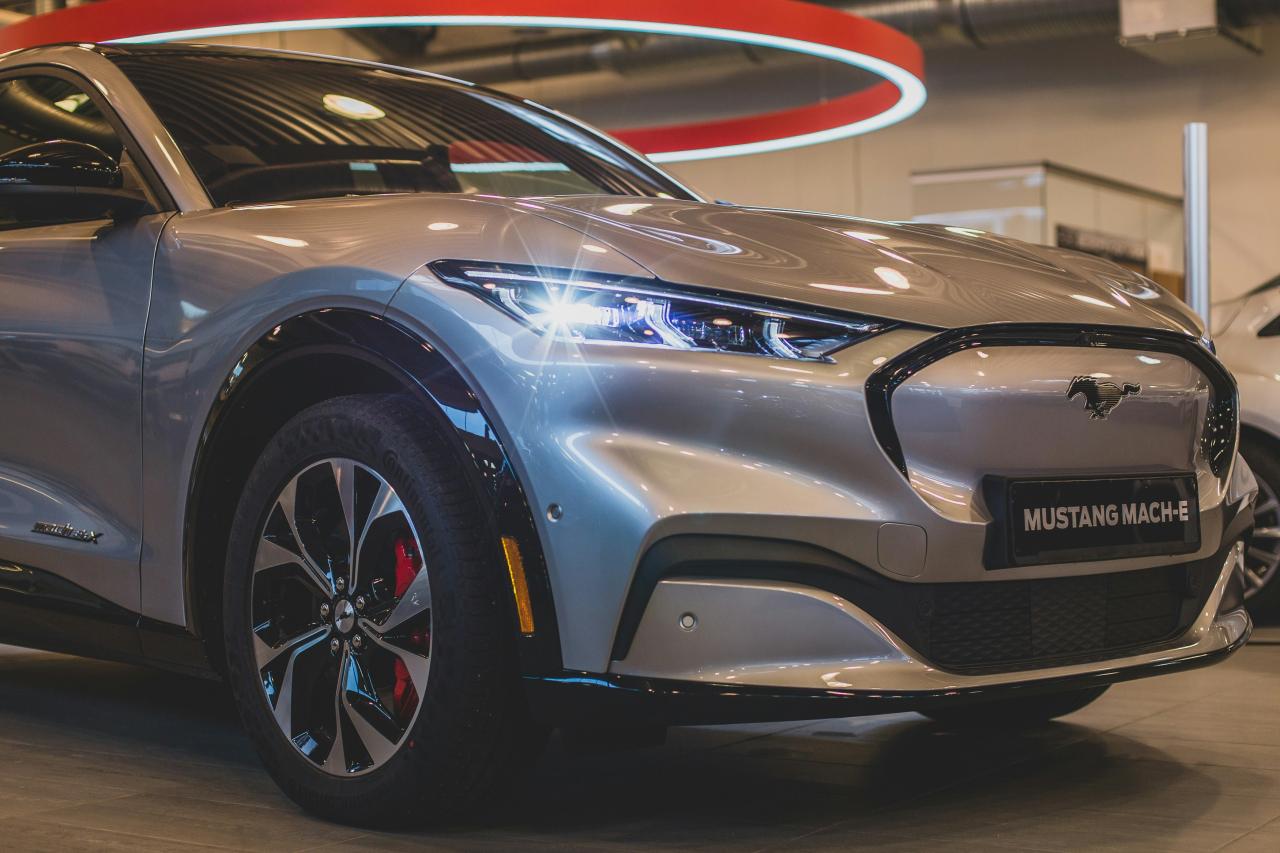
The global shift toward electric mobility represents far more than just a change in how we fuel our cars. We are currently witnessing a massive technical overhaul of our entire transportation infrastructure and personal energy habits.
You might notice that traditional combustion engines are slowly becoming relics of a past era as silent, powerful electric motors take their place. This transition creates a clear roadmap for a future where your commute contributes to a cleaner and more sustainable world.
Most people hesitate to make the switch because they fear the complexity of charging or the limitations of current battery range. By mastering the fundamentals of electric mobility, you can reclaim your movement sovereignty and build a high-performance lifestyle that values efficiency.
This guide explores the most significant breakthroughs in electric infrastructure and provides a clear framework for navigating the electrified era. Let us dive into the pillars of modern mobility and discover how to transform your daily travel into an engine for personal and environmental progress.
The Foundation of Modern Electric Vehicle Charging

Understanding the different levels of charging is the first step to mastering your new electric lifestyle with total confidence.
We are moving away from the “gas station” mindset and toward a world where your vehicle charges while you sleep or work. This technical infrastructure is the catalyst for your long-term operational independence and systemic peace of mind in an increasingly digital world.
A. Level One and Level Two Home Charging Solutions
Plugging your car into a standard outlet or a dedicated wall box allows you to start every morning with a full battery.
This technical precision ensures that you never have to waste time at a public pump during your busy work week. It provides a roadmap for a home that serves as your private fueling station, giving you total control over your energy costs.
B. High-Speed DC Fast Charging for Long Distance
Public fast chargers can replenish your battery in less time than it takes to enjoy a healthy lunch at a rest stop. This technical shift allows you to take long-distance road trips across the country without the fear of running out of power.
Mastering the charging map is a masterpiece of digital planning that ensures your adventures remain smooth and completely stress-free.
C. Smart Charging and Grid Optimization
Modern chargers communicate with the electrical grid to pull power when it is cheapest and most abundant for the user.
This high-resolution efficiency ensures that you are using renewable energy whenever possible while keeping your monthly utility bills low. It is the primary engine that drives the economic superiority of electric vehicles over their traditional gasoline-powered counterparts.
I see many new owners worrying about “range anxiety,” but the truth is that your car spends most of its life parked and ready to charge. You should stop treating your EV like a gas car and start treating it like your smartphone by topping it off whenever you are at home.
My perspective is that the “slow and steady” approach to charging at home actually extends your battery life and saves you more money over time. Invest in a quality home charger now to eliminate the need for public charging for ninety percent of your driving needs.
The Evolution of Urban Electric Infrastructure
Cities are rapidly adapting to the electric revolution by installing chargers in lamp posts, parking garages, and even curbside spots.
We are seeing a revolution where the city itself becomes a giant charging network that supports your freedom of movement. This technical synergy between urban design and energy access is the primary engine for building a more livable and quiet environment for everyone.
A. Public-Private Partnerships for Charger Deployment
Governments and private companies are working together to ensure that every neighborhood has access to reliable and fast electric plugs.
This technical collaboration provides a roadmap for a future where charging is as common and easy as finding a street light or a bench. High-resolution infrastructure planning is a fundamental pillar for anyone who wants to live in a modern city that values clean air.
B. Workplace Charging Incentives and Integration
More companies are offering free or subsidized charging as a benefit to employees who choose to drive electric vehicles to work.
This administrative discipline allows you to refuel your car for free while you focus on your professional tasks and career growth. It is a masterpiece of corporate strategy that aligns your personal environmental goals with your professional daily routine and office life.
C. Wireless Induction Charging for Buses and Taxis
New technology allows fleet vehicles to charge simply by parking over a special pad or driving over a specific lane.
This technical breakthrough ensures that public transport remains operational around the clock without the need for long breaks at a plug. It provides a roadmap for a more efficient city where the flow of movement never stops for a charging delay.
Most city dwellers think they can’t own an EV because they don’t have a private garage or a dedicated driveway. You should realize that curbside charging and workplace plugs are expanding faster than most people realize in major metropolitan areas.
My advice is to check local apps to find hidden charging gems in your neighborhood that you can use while running errands or visiting the gym. The infrastructure is catching up to your needs, so don’t let a lack of a garage stop your transition to a better drive.
Battery Longevity and Energy Storage Breakthroughs
The heart of electric mobility is the battery pack, which is becoming more durable, lighter, and much more energy-dense.
We are moving toward a world where your car battery can last for decades and eventually serve as backup power for your home. This technical infrastructure is the primary engine for creating a high-performance transport system that is both resilient and extremely long-lasting.
A. Advanced Thermal Management Systems
Modern cars use liquid cooling to keep batteries at the perfect temperature, which prevents degradation during extreme summer heat or winter cold.
This technical precision ensures that your vehicle maintains its range and power output for many years of heavy daily use. Understanding how your car manages heat is a fundamental requirement for maximizing your long-term investment in electric mobility and tech.
B. Second-Life Battery Use and Recycling
When a battery is no longer fit for a car, it can be used to store solar energy for houses or industrial buildings. This technical shift ensures that the materials used in your car are managed responsibly and provide value for many years.
It is a masterpiece of circular engineering that reduces the environmental impact of mining and manufacturing for the global automotive market.
C. Solid-State Battery Research and Development
The next generation of batteries will use solid components to provide even more range and much faster charging times for every driver.
This technical foresight provides a roadmap for vehicles that can travel even further on a single charge than the best gas cars. High-resolution material science is the catalyst for the next massive leap in our ability to move across the planet.
I notice that many skeptics focus on the cost of battery replacement, but modern packs are designed to outlast the car itself. You should stop worrying about a massive repair bill and start focusing on the thousands of dollars you save on oil changes and engine parts.
My perspective is that the battery is the most valuable asset you own, and the software in your car does a great job of protecting it. Treat your battery with respect by avoiding extreme heat, and it will serve you faithfully for hundreds of thousands of miles.
The Economic Impact of Sustainable Mobility
Switching to electric mobility is a strategic financial move that protects you from the volatile prices of the global oil market. We are seeing a shift where the total cost of ownership for an EV is significantly lower than a traditional vehicle over its lifetime.
This economic infrastructure is the primary engine for building personal wealth while enjoying a high-end, high-performance driving experience every day.
A. Reduced Maintenance and Operating Expenses
Electric vehicles have fewer moving parts, which means you spend less time and money at the mechanic for complex engine repairs.
This technical simplicity ensures that your car remains on the road longer and costs less to keep in peak operating condition. Lowering your maintenance burden is a fundamental pillar for anyone who wants to simplify their life and reduce their monthly stress.
B. Tax Incentives and Government Rebates
Many regions offer significant financial rewards for people who buy electric cars or install charging equipment in their homes or businesses. This administrative foresight provides a roadmap for a more affordable transition to a cleaner way of moving through your city and country.
Mastering the local incentive programs is a masterpiece of financial planning that can save you thousands of dollars on your initial purchase.
C. Energy Independence with Home Solar Systems
By pairing your electric car with solar panels, you can essentially fuel your daily commute using the free energy of the sun.
This technical synergy is the ultimate form of energy sovereignty, protecting you from utility rate hikes and international fuel crises forever. It is the primary engine that turns your home and car into a self-sustaining power plant for a prosperous future.
Many people only look at the “sticker price” of an electric car and ignore the massive savings on fuel and parts over time. You should realize that every mile you drive on electricity is a fraction of the cost of a mile driven on gasoline.
My advice is to calculate your total cost of ownership over five years to see the real financial benefit of making the switch. Investing in electric mobility is not just an environmental choice; it is a logical decision to keep more of your hard-earned money.
Conclusion

Electric mobility represents a decisive breakthrough in personal sovereignty, replacing unpredictable fuel dependencies with innovative digital tools and energy ownership that ensure your travel strategy wins today.
By integrating data-driven scaling and disciplined charging habits, you can effectively eliminate market-related stress and high fuel-cost risks while benefiting from the stability of a fortress-like energy infrastructure.
Taking immediate action to audit your driving habits and adopt a logic-based charging mission allows you to reclaim your financial freedom, grow your personal prosperity, and secure a lasting legacy through technical excellence.
The path to a successful and high-performance lifestyle is clear when you use energy independence as your primary tool to fuel rapid growth and achieve ultimate stability starting today.

