

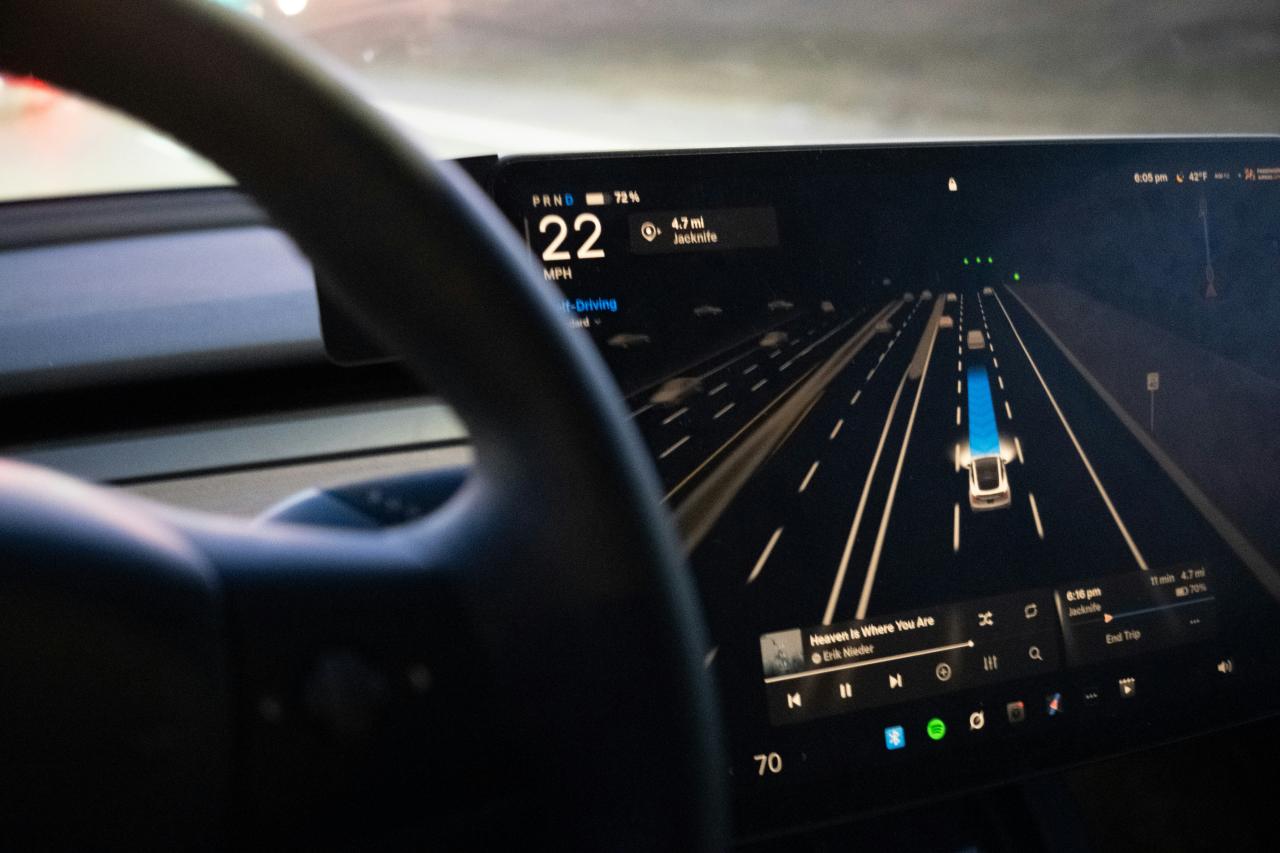
The way we drive is undergoing a massive transformation thanks to the rapid integration of artificial intelligence into our daily commute. For decades, road safety relied almost entirely on human reflexes and traditional mechanical engineering like seatbelts and airbags.
However, even the most skilled drivers can suffer from fatigue, distraction, or slow reaction times during a sudden emergency. Smart AI technology is now stepping in to act as a digital co-pilot that never gets tired or loses focus on the road.
This shift represents one of the most significant leaps in automotive history since the invention of the internal combustion engine. By processing millions of data points every second, these systems can predict accidents before they even happen.
Modern vehicles are no longer just machines made of metal and rubber; they are becoming sophisticated moving computers. These smart cars use a network of sensors, cameras, and radar to create a 360-degree view of their surroundings at all times.
This constant vigilance allows the car to detect pedestrians, cyclists, and other vehicles in blind spots that a human might miss. As we move toward a future of fully autonomous driving, the primary goal remains the total elimination of preventable traffic fatalities.
This article will explore the groundbreaking technologies that are making our streets safer for everyone involved in transit. We will look at how machine learning and real-time data are turning the dream of accident-free roads into a reality.
Advanced Collision Avoidance Systems

Collision avoidance systems are the frontline soldiers in the battle for safer roads across the globe today. These systems use high-resolution cameras and laser-based sensors to monitor the distance between your car and the objects ahead.
If the AI detects that a crash is imminent and the driver hasn’t reacted, it can automatically apply the brakes. This technology has already significantly reduced rear-end collisions in urban environments where stop-and-go traffic is a constant reality. It works faster than any human brain could ever hope to function in a high-stress situation.
A. Automatic Emergency Braking (AEB) for sudden stops.
B. Pedestrian detection with infrared night vision capabilities.
C. Forward collision warnings that alert distracted drivers.
D. Intersection assist to prevent side-impact crashes.
The biggest problem for many drivers is the sudden panic that causes them to freeze during a potential accident. You can solve this biological limitation by trusting a system that reacts in milliseconds without the cloud of human emotion.
AI doesn’t get scared; it simply executes the safest possible maneuver to protect the occupants and those outside the car.
Intelligent Driver Monitoring and Alertness
Human error remains the leading cause of road accidents, often stems from drowsiness or checking a smartphone while driving. New AI-integrated cabin cameras now track eye movement and head position to identify signs of fatigue or lack of attention.
If the system detects that your eyes are closing or that you are looking down too long, it triggers a loud alert. Some advanced cars can even pull over safely to the side of the road if the driver becomes unresponsive.
This technology serves as a vital safety net for long-distance travelers and late-night commuters who might overestimate their stamina.
A. Eye-tracking sensors to detect microsleep or distraction.
B. Steering wheel sensors that monitor hand placement and grip.
C. Haptic feedback through seat vibrations to wake up drivers.
D. Biometric monitoring to check for sudden medical emergencies.
Many people feel that in-car cameras are an invasion of privacy, but the trade-off is a life-saving layer of protection. You solve the danger of “zombie driving” by having a system that knows when you are too tired to be behind the wheel. It acts as a responsible friend who tells you exactly when it is time to take a break.
V2X Communication: Cars Talking to Everything
Vehicle-to-Everything (V2X) communication allows cars to share data with other vehicles, traffic lights, and even the road itself. Imagine your car receiving a signal from a traffic light two blocks away, warning you that an ambulance is approaching from a side street.
This interconnected network creates a collective intelligence that goes far beyond what a single vehicle can see with its own sensors.
It helps smooth out traffic flow, reduces congestion, and prevents the “chain reaction” pile-ups that often happen in heavy fog. By knowing what is happening around the corner, your car can prepare for hazards long before they enter your field of vision.
A. Vehicle-to-Vehicle (V2V) alerts for sudden braking ahead.
B. Vehicle-to-Infrastructure (V2I) updates on road conditions.
C. Vehicle-to-Pedestrian (V2P) warnings via smartphone signals.
D. Real-time weather integration to adjust traction control.
The “hidden hazard” is the most dangerous part of driving, such as a car speeding through a red light you cannot see.
V2X solves the problem of limited visibility by giving your car “X-ray vision” through digital data sharing with the environment. This technology turns every vehicle on the road into a teammate rather than a potential obstacle to avoid.
AI-Enhanced Night Vision and Visibility
Driving at night or in heavy rain significantly increases the risk of a fatal accident due to poor visibility. Smart AI can now process video feeds from thermal cameras to highlight living beings in the dark long before headlights hit them.
These systems display a clear image on the dashboard or head-up display, outlining animals or pedestrians in bright colors.
This allows drivers to slow down or move over well in advance, preventing the sudden swerving that causes many rollovers. It turns the most dangerous driving hours into some of the safest by removing the element of surprise from the dark.
A. Thermal imaging that detects body heat in total darkness.
B. Adaptive headlights that steer into corners and curves.
C. Digital rain removal for clearer camera feeds in storms.
D. High-contrast displays that reduce glare from oncoming traffic.
Traditional headlights only show you what is directly in front of your bumper, which is often too late for a fast-moving car. You solve the “blind night” problem by using technology that sees heat and motion instead of just reflecting light. This ensures that a deer in the road or a jogger in dark clothes never becomes a tragic statistic.
Machine Learning for Predictive Maintenance
Safety isn’t just about how you drive; it’s also about the mechanical health of the vehicle you are operating. AI algorithms can now monitor the vibration of the engine, the wear on brake pads, and the pressure in tires with extreme precision.
The system can predict when a part is likely to fail weeks before it actually happens, sending a notification to your phone.
This prevents dangerous mid-trip breakdowns or brake failures that could lead to high-speed accidents on the highway. Maintaining a car becomes a proactive data-driven task rather than a reactive and expensive emergency repair.
A. Real-time tire pressure and tread depth monitoring.
B. Engine health diagnostics that prevent sudden stalls.
C. Brake wear sensors that calculate remaining life based on style.
D. Battery health tracking for electric and hybrid vehicles.
The stress of a “Check Engine” light usually comes from the mystery of not knowing what is wrong or how much it costs.
AI solves this uncertainty by providing a detailed digital health report that tells you exactly what needs fixing and why. Keeping your car in peak condition is the simplest way to ensure your family stays safe on every trip.
Smart Lane Keeping and Steering Assist
Staying in the center of the lane seems simple, but narrow roads and high winds can make it a constant struggle. Smart steering assist uses AI to read lane markings and apply gentle pressure to the wheel to keep the car perfectly centered.
If you begin to drift without using a turn signal, the car can gently steer itself back into the safe zone. This feature is a massive help on long highway stretches where highway hypnosis can cause a driver to wander off the road. It provides a steady hand that complements the driver’s input without taking away the feeling of control.
A. Active lane centering that works at all highway speeds.
B. Blind spot steering intervention to prevent side swipes.
C. Wind compensation that stabilizes the car in gusty weather.
D. Road edge detection for areas without painted white lines.
The “drifting” accident is one of the most common types of single-vehicle crashes on rural roads late at night. You can solve this risk by letting the car’s AI act as a physical guide that keeps you between the lines. It’s like having an invisible guardrail that gently nudges you back toward safety whenever your focus starts to slip.
The Evolution of Smart Airbags and Restraints
Traditional airbags deploy with the same force regardless of the passenger’s size or the specific angle of the crash. Next-generation AI-integrated cabin sensors can now determine the exact weight, height, and seating position of every person in the car.
In the event of an impact, the AI calculates the perfect deployment speed and pressure for each individual airbag to maximize protection.
This reduces the risk of injuries caused by the safety systems themselves, particularly for children or elderly passengers. Safety is becoming a personalized experience that adapts to the unique body types of everyone inside the vehicle.
A. Variable-force airbag deployment based on occupant weight.
B. Pre-crash seatbelt tensioning that pulls you into a safe spot.
C. Seat adjustment AI that moves you away from impact zones.
D. Smart headrests that prevent whiplash during rear-end hits.
Safety equipment should not be “one size fits all” because human bodies come in all different shapes and sizes.
You solve the danger of aggressive airbag deployment by using a system that recognizes who is sitting in each seat. This ensures that the car protects you in a way that is specifically designed for your physical needs during a crash.
AI in Traffic Management and Speed Control
Speeding is a major factor in the severity of road accidents, but rigid speed limits don’t always account for changing conditions. Smart speed assistance uses AI and GPS data to suggest the safest speed based on current traffic, weather, and road curves.
Some systems can even prevent the car from exceeding the speed limit in high-risk zones like school yards or construction sites.
By managing the flow of vehicles more intelligently, AI reduces the “stop-and-go” patterns that lead to frustration and aggressive driving behavior. This creates a calmer and more predictable environment for everyone on the road to navigate.
A. Dynamic speed limits based on real-time road grip.
B. Intelligent cruise control that maintains safe gaps.
C. Traffic sign recognition that displays limits on the dash.
D. Geo-fencing for automatic slowing in pedestrian-heavy areas.
The “rush” to get somewhere often leads to poor decisions and excessive speed that kills thousands of people every year.
You solve the problem of speeding by having a car that helps you maintain a legal and safe pace automatically. It removes the temptation to drive too fast, making the road a friendlier place for both drivers and pedestrians.
Cybersecurity for the Connected Car
As cars become more reliant on software and internet connections, protecting them from hackers becomes a critical safety issue. Automotive AI now includes advanced firewalls and anomaly detection systems that watch for any unauthorized attempts to control the vehicle.
If the system detects a cyberattack, it can isolate the compromised software while keeping the core driving functions safe.
This ensures that your “smart car” remains under your control and isn’t vulnerable to digital interference from outside sources. Security is no longer just about locks and alarms; it is about protecting the digital brain of the machine.
A. Encrypted communication for all over-the-air updates.
B. AI-based intrusion detection for the car’s central computer.
C. Secure boot protocols that prevent unauthorized software.
D. Biometric ignition to ensure only authorized users drive.
The fear of a car being “hacked” while driving is a common concern as we move toward more connected technology.
You can solve this digital anxiety by choosing vehicles that prioritize high-level encryption and constant security monitoring. A safe car must be a secure car, protecting your physical body and your digital data at the same time.
The Role of AI in Emergency Response
In the unfortunate event that an accident does occur, AI plays a vital role in ensuring that help arrives as quickly as possible. Smart cars can automatically contact emergency services the moment an airbag deploys, providing the exact GPS coordinates and the severity of the crash.
The AI can even transmit data about how many people are in the car and which parts of the vehicle took the most damage.
This allows first responders to prepare the right equipment before they even arrive at the scene of the accident. Faster response times directly translate to more lives saved during the “golden hour” after a serious collision.
A. Automatic eCall systems that trigger during heavy impacts.
B. Impact data transmission to help paramedics prepare.
C. Remote door unlocking for trapped passengers.
D. Automatic fuel and battery cutoff to prevent fires.
The minutes following a crash are the most critical, yet victims are often too shocked or injured to call for help. AI solves the “silence” problem by making the call for you and giving the rescuers the data they need to save you. This technology ensures that even on a lonely road at night, you are never truly alone in an emergency.
Conclusion

Roads are getting much safer now. AI never gets tired or bored. You should trust this new tech. Human errors cause most major crashes. Smart sensors stop these mistakes fast. They watch every single blind spot.
Your car is now a teammate. It talks to the traffic lights. This keeps you moving very smoothly. Night driving is no longer scary. Thermal cameras see in the dark. You can spot hazards early.
Maintenance is now very easy too. The car tells you what’s wrong. You fix it before it breaks. Driving should be a joyful thing. AI removes the stress of danger. Enjoy the ride with peace. The future of travel is bright. We are ending accidents for good. Stay safe with smart AI.

