

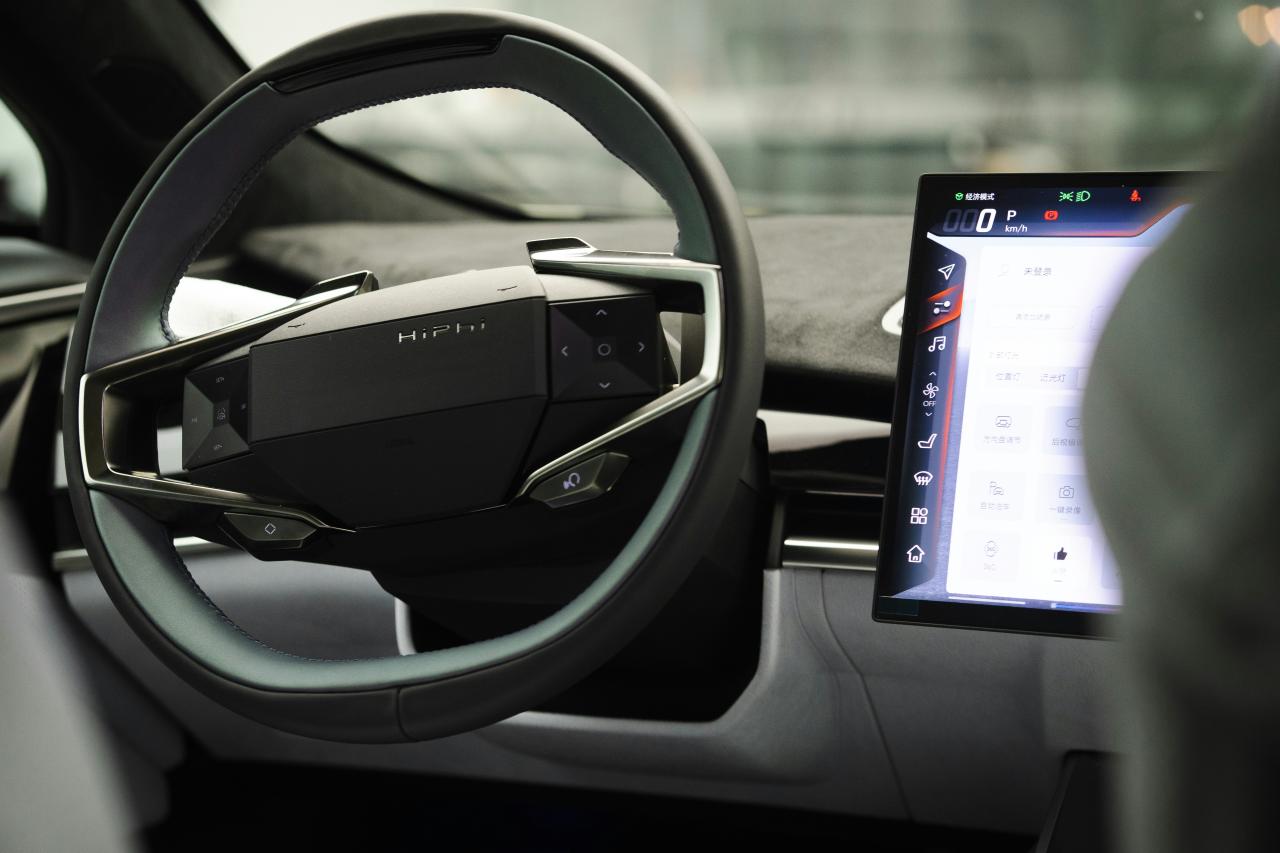
The evolution of road safety has reached a phenomenal peak with the introduction of next-generation Driver Monitoring Systems, commonly known as DMS. For a long time, vehicle safety focused almost entirely on the exterior of the car, using cameras and sensors to watch for obstacles and other vehicles.
However, recent data shows that the internal state of the driver is just as critical to preventing accidents on the highway. Modern DMS technology uses sophisticated artificial intelligence to keep a watchful eye on the person behind the wheel, ensuring they stay alert and focused.
These systems can detect the subtle signs of fatigue, distraction, or even sudden medical emergencies before the driver even realizes something is wrong.
By using infrared sensors and high-definition internal cameras, the car can now understand human behavior in real-time, even in complete darkness or when the driver wears sunglasses. This represents a massive shift from passive safety to active, intelligent intervention that prioritizes human life above all else.
We are no longer just driving machines; we are collaborating with digital co-pilots that care about our well-being and situational awareness. This article explores the top features of these new systems and why they have become a mandatory requirement for modern high-safety vehicle ratings.
Sophisticated Eye Tracking and Gaze Analysis Technology

The core of a high-quality driver monitoring system lies in its ability to track eye movement with extreme precision. Advanced algorithms analyze the direction of the driver’s gaze to ensure they are looking at the road and not at their smartphone or the infotainment screen for too long.
If the system detects that the driver’s eyes have left the road for more than a couple of seconds, it triggers a tiered alert system to regain their attention. This technology functions seamlessly in various lighting conditions, making it a reliable shield for both day and night travel.
A. High-Resolution Infrared Cameras
These cameras can see through the dark and even through most polarized sunglasses to track pupil dilation and eyelid movement.
This ensures the system works for every driver regardless of their fashion choices or the time of day they choose to drive. My perspective is that this solves the problem of “false security” that older systems suffered from, where a simple pair of shades could disable the safety features.
B. Fixation and Distraction Logic
The AI calculates how long your eyes stay fixed on a single point away from the windshield, distinguishing between a quick mirror check and a dangerous distraction.
If you stare at the center console for too long while the car is moving, the system provides a gentle nudge to look back at the path ahead. I believe this is a vital tool for the modern age where digital screens in cars are getting larger and more distracting every day.
C. Microsleep Detection Algorithms
The system monitors the frequency and duration of blinks to identify the early onset of microsleep, which is a leading cause of highway fatalities.
By catching these tiny moments of unconsciousness, the car can take immediate action to wake the driver or slow down the vehicle safely. This helps solve the reader’s problem of “overestimating” their own stamina during long, boring night drives.
D. Head Position and Posture Tracking
Beyond just the eyes, the DMS tracks the angle of the head and the overall posture of the driver to detect signs of “nodding off” or physical impairment.
If your head tilts forward or to the side in a way that suggests sleep, the alerts become much more aggressive to ensure you stay awake. From my view, this multi-layered approach provides a much more robust safety net than eye-tracking alone.
Cognitive Load and Stress Level Monitoring
Next-generation systems are moving beyond simple physical tracking to understand the mental state of the driver. By analyzing facial expressions and even subtle changes in heart rate through optical sensors, the AI can determine if a driver is overwhelmed by traffic or experiencing extreme stress.
This allows the vehicle to adjust its own behavior, perhaps by simplifying the dashboard display or increasing the sensitivity of the automated braking systems. This level of empathy between the machine and the human creates a much smoother and safer driving experience.
A. Emotion and Irritation Detection
The AI can spot the facial cues of road rage or extreme frustration, which often lead to aggressive and dangerous driving maneuvers. When the system detects these emotions, it might suggest a more calming music playlist or remind the driver to take a deep breath.
I see this as a way to solve the “emotional driving” problem, helping the driver stay calm and rational in high-pressure traffic situations.
B. Visual Workload Management
If the car determines that you are in a high-stress environment, like a complex construction zone, it can temporarily block non-essential notifications from your phone.
This ensures that your full cognitive capacity is dedicated to navigating the difficult road ahead without any digital interruptions. My take is that “cognitive filtering” is a brilliant way for technology to protect us from the very distractions it created in the first place.
C. Heart Rate and Vital Sign Monitoring
Some advanced steering wheels now include sensors that can track your pulse and oxygen levels to look for signs of a sudden medical crisis like a heart attack.
If the vitals drop to a dangerous level, the car can automatically pull over to the shoulder and call emergency services with your exact location. I believe this provides a life-saving layer of security for older drivers or those with known health conditions.
D. Awareness and Reaction Testing
The system can occasionally prompt the driver to perform a simple task to ensure they are still “in the loop” and ready to take control if needed.
This is especially important for vehicles with high-level driver assistance features where the human might become too passive or bored. From my perspective, this keeps the driver’s brain “warm” and ready to act in an emergency, solving the problem of automation-induced complacency.
Seamless Integration with Active Safety Features
A driver monitoring system is most effective when it is directly connected to the car’s exterior sensors and braking systems. For example, if the exterior radar detects a car braking ahead and the DMS sees that the driver is looking down at their lap, the emergency brakes will engage much earlier.
This collaboration between “internal” and “external” AI creates a holistic safety bubble that covers every possible angle of risk. This integration ensures that the car acts as an intelligent partner that understands both the road and the person driving on it.
A. Pre-Collision System Optimization
When the DMS knows the driver is distracted, it primes the seatbelt pretensioners and increases the brake pressure sensitivity before a crash even happens.
This extra half-second of preparation can drastically reduce the force of an impact or prevent it entirely. My perspective is that this “predictive preparation” solves the problem of human lag time, making the vehicle’s safety response feel instantaneous and much more effective.
B. Lane Centering and Steering Support
If the system detects that you are drowsy, it can increase the strength of the lane-keeping assist to prevent the car from drifting off the road.
The steering wheel might also provide haptic feedback or small vibrations to keep your hands active and your mind focused on the lane markings. I believe this physical interaction is a great way to maintain safety without being overly intrusive or annoying to the driver.
C. Adaptive Cruise Control Adjustments
The car can automatically increase the following distance from the vehicle in front if the DMS detects that the driver’s reaction time is likely impaired by fatigue.
This creates a larger “cushion” of safety that gives both the human and the AI more time to react to sudden changes in traffic flow. This helps solve the reader’s problem of “tailgating” while tired, which is a common but extremely dangerous habit on long journeys.
D. Automated Emergency Stop and Pull-Over
In the absolute worst-case scenario where a driver becomes unresponsive, the DMS can trigger a fully automated emergency stop.
The car will put on its hazard lights, navigate to the side of the road, and come to a complete halt to avoid a high-speed collision. From my view, this is the ultimate failsafe that turns a potentially fatal disaster into a manageable and safe situation.
User Privacy and Data Security Standards
As internal cameras become more common, many drivers are rightfully concerned about their privacy and who has access to the video of their face. Manufacturers of next-generation DMS prioritize “edge processing,” meaning all the video analysis happens locally on the car’s computer and is never sent to the cloud.
This ensures that your personal data stays inside your vehicle and is deleted immediately after it is processed. Understanding these privacy protections is essential for any consumer who wants to embrace safety technology without sacrificing their personal data.
A. Local Data Processing
The video feed from the internal camera is used only for real-time calculation and is not recorded or stored for long-term use by the manufacturer.
This “ephemeral” data model ensures that your image can never be hacked or stolen from a central server in the future. I believe this solves the “big brother” anxiety by making the car’s eye a private tool rather than a surveillance device.
B. Opt-In Feature Management
Drivers can often choose the level of monitoring they want, allowing them to turn off non-essential features while keeping the critical safety alerts active.
This gives the user a sense of control over their environment and allows them to customize the technology to their specific comfort level. My take is that providing this flexibility is the best way for manufacturers to build trust with a skeptical public.
C. Secure Hardware and Encryption
The physical camera modules and the wiring are designed to be tamper-proof, ensuring that third-party apps cannot gain unauthorized access to the driver’s image.
High-level encryption protects the data as it moves between the sensor and the car’s central processor. This helps solve the reader’s fear of “remote hacking,” providing a secure digital environment that is as safe as the physical car itself.
D. Compliance with Global Privacy Laws
Manufacturers must adhere to strict regulations like GDPR to ensure that the implementation of driver monitoring remains ethical and transparent.
These laws force companies to be honest about what data is being collected and how it is being used to improve road safety. From my perspective, these legal boundaries are essential for the healthy growth of the automotive tech industry.
The Future of Human-Machine Collaboration
As we move closer to fully autonomous vehicles, the role of the driver monitoring system will shift from a safety guard to a luxury assistant. The car will use the DMS to understand when you want to take over the driving or when you are ready to relax and let the AI handle the route.
It will become a more conversational and intuitive partner that knows your preferences and your physical limits better than you do. This evolution marks the beginning of a new era where the car and the human function as a single, highly efficient unit.
A. Seamless Handover of Control
In semi-autonomous cars, the DMS ensures that the driver is “ready” to take the wheel before the AI disengages its self-driving features.
If the system see that you are reading a book or sleeping, it will not hand over control until it knows you are fully awake and alert. I see this as the final solution to the “automation gap,” where drivers often struggle to regain focus after a long period of self-driving.
B. Personalized Cabin Comfort
The car can use the internal cameras to adjust the temperature, seat position, and lighting based on your body language and facial expressions.
If you look cold, the heater turns up; if you look stressed, the ambient lighting shifts to a soothing blue. My take is that this level of “empathetic tech” makes the car feel more like a living space than just a piece of cold machinery.
C. Gesture-Based Control Systems
Future systems will allow you to control the radio or the navigation using simple hand gestures that the DMS cameras can track and interpret.
This eliminates the need for physical buttons and keeps your eyes on the horizon while you interact with the car’s digital systems. I believe this is the ultimate form of intuitive interface design, solving the “distracting button” problem once and for all.
D. Long-Term Health and Wellness Tracking
Over years of ownership, your car could potentially track changes in your posture or reaction times that might indicate a developing health issue.
This “health assistant” role could provide early warnings for conditions that might affect your ability to drive safely in the future. From my perspective, this turns the car into a vital partner in your overall well-being and long-term safety.
Conclusion

Modern cars watch us. This keeps every family safe. The AI never gets tired. It sees the road and you. Safety is a top priority. Cameras track your eyes now. If you blink too much. The car will wake you. Distraction is a big risk.
Do not look at phones. The car knows your focus. It protects your own life. Privacy is also very important. Data stays inside the car. No one sees your face. The system is very secure. Technology makes driving much better.
We move toward zero crashes. Always trust the smart sensors. They are your digital friend. The future of travel is bright. We drive together with AI. Human error is slowly going. Roads are becoming more peaceful. Enjoy the journey every day. Your car is very smart. Stay alert and stay happy. The drive is now safe.

