

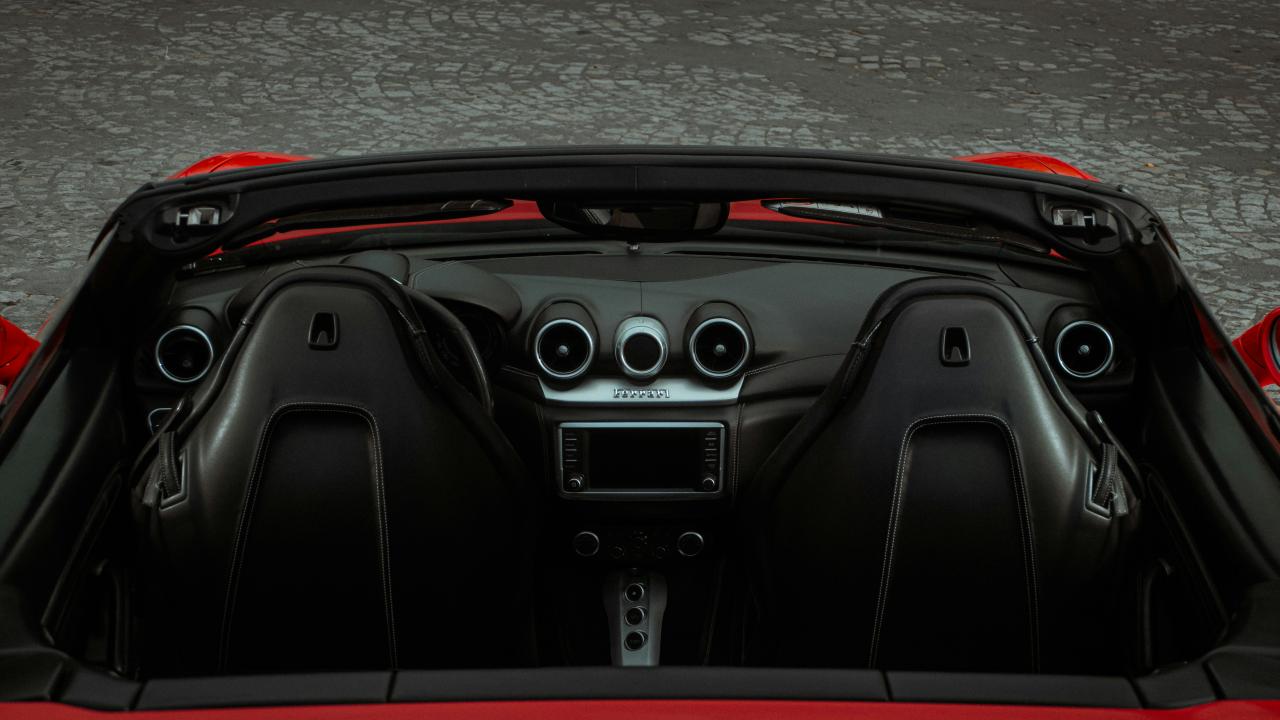
The quest for a perfectly silent driving environment has transformed the modern automotive cabin into a high-tech sanctuary away from the chaotic outside world. For many decades, car manufacturers relied purely on heavy blankets of insulation and thick rubber seals to dampen the roar of the engine and the whistling of the wind.
This traditional approach often added significant weight to the vehicle, which negatively impacted fuel efficiency and overall handling performance on the road. However, the emergence of advanced acoustic engineering and digital noise cancellation now allows us to achieve library-like silence without the heavy bulk of the past.
This transition represents a monumental shift from passive muffling to active, intelligent sound management that reacts to the environment in real-time. We are entering an era where sophisticated sensors and specialized glass serve as the primary foundations for a premium and peaceful passenger experience.
This innovation addresses the critical challenge of driver fatigue and stress by providing a calm space that protects your hearing and mental clarity.
By integrating these cutting-edge sound technologies, modern vehicles allow you to enjoy high-fidelity audio or quiet conversation with total ease. This article explores the most effective and proven methods used to create the quietest car cabins in the world today.
Advanced Materials and Structural Sound Dampening

To block out the high-frequency sounds of wind and tires, engineers now use a combination of specialized materials that absorb energy before it reaches your ears. They utilize acoustic laminated glass, which features a thin layer of transparent film sandwiched between two panes of glass to break up sound waves.
I believe that “structural isolation” is the best way to solve the problem of low-frequency road hum that usually vibrates through the floor of a car. You solve the problem of cabin resonance by choosing a vehicle that uses structural adhesives and foam-filled pillars to seal every possible gap in the frame.
This perspective turns your car into a sealed vault, ensuring that you remain blissfully unaware of the construction noise or heavy traffic surrounding you.
A. Acoustic Glass and Multi-Layer Insulation
Modern windshields and side windows use triple-layer technology to reflect exterior noise back into the street. This specific design targets the “whooshing” sound of air passing over the mirrors at high speeds, keeping the interior calm.
B. Foam-Injected Pillars and Body Cavities
Manufacturers inject specialized expanding foam into the hollow parts of the car’s frame to prevent sound from echoing through the metal. This hidden technology significantly reduces the “tinny” feel of a car and creates a solid, high-end acoustic profile.
C. Underbody Shielding and Wheel Well Liners
Adding soft, fabric-like liners to the wheel wells helps absorb the sound of pebbles and rain hitting the car. This prevents the “drumming” effect that often occurs when driving on rough asphalt or gravel roads.
Active Noise Cancellation and Digital Sound Control
Just like the high-end headphones you wear on an airplane, modern luxury cars now use microphones to listen to cabin noise and cancel it out. The system generates an “anti-noise” signal through the car’s speakers that is exactly the opposite of the unwanted road sound, effectively erasing it from the air.
My new perspective is that “digital silence” is the secret to solving the problem of engine drone without needing a massive, heavy muffler system. You solve the problem of auditory clutter by using a computer that can distinguish between your music and the annoying hum of the tires.
This perspective allows the cabin to stay incredibly quiet while still letting you hear important safety signals like sirens or horns.
A. Interior Microphones and Real-Time Processing
Small microphones hidden in the headliner constantly monitor the sound levels near the ears of every passenger. The central computer processes this data in milliseconds to ensure the noise cancellation stays perfectly synced with the car’s speed.
B. Engine Order Cancellation (EOC)
This technology specifically targets the vibrations of the engine, creating a smooth and refined sound even under heavy acceleration. It allows a powerful engine to feel sophisticated and quiet during a normal commute while still sounding sporty when you want it to.
C. Targeted Frequency Neutralization
Engineers can program the system to ignore “good” sounds, like the purr of a luxury motor, while deleting “bad” sounds like tire slap. This curated acoustic experience makes the car feel more expensive and better engineered than its competitors.
The Impact of Aerodynamics on Wind Noise
A slippery car is a quiet car, which is why designers spend thousands of hours in wind tunnels to smooth out every edge of the vehicle. By reducing the turbulence created by wipers, mirrors, and door handles, they can eliminate the “hissing” sound that usually starts at highway speeds.
I suggest that “aerodynamic purity” is the only way to solve the problem of wind noise that often ruins a long-distance road trip. You solve the problem of air friction by selecting a vehicle with a low drag coefficient and flush-mounted components that let the wind slide by effortlessly.
This perspective turns your vehicle into a silent blade cutting through the air, providing a smooth journey that feels much slower and calmer than it actually is.
A. Flush-Mounted Door Handles and Glass
Hidden door handles and seamless glass transitions prevent the air from “tripping” over the side of the car. This small detail removes the whistling sounds that usually plague older vehicle designs at high speeds.
B. Active Grille Shutters and Underbody Trays
Closing the front grille when the engine is cool enough reduces the amount of air entering the engine bay, which lowers noise levels. Flat trays under the car also ensure that the air moving beneath you stays smooth and quiet.
C. Streamlined Side Mirror Housing
Mirrors are the biggest source of wind noise, so designers use specialized shapes to direct air away from the side windows. This keeps the area right next to your head as quiet as possible, even in crosswinds.
Tire Technology and Road Surface Isolation
Much of the noise you hear in a car actually comes from the tires vibrating against the pavement and sending that energy through the suspension. Premium tire manufacturers now build “silent” tires that feature a layer of sound-absorbing foam inside the tire itself to soak up the vibrations.
My perspective is that “contact point refinement” is the best way to solve the problem of the harsh “thump” you feel when driving over expansion joints on a bridge.
You solve the problem of road roar by investing in high-quality tires that prioritize a quiet tread pattern over maximum aggressive grip. This perspective allows you to enjoy a cloud-like ride where the road feels soft and distant rather than loud and intrusive.
A. Internal Foam Dampening Layers
A thick ring of acoustic foam inside the tire acts as a sponge for the air vibrations that happen when rubber hits the road. This can reduce cabin noise by several decibels, which is a massive difference for the human ear.
B. Variable Pitch Tread Patterns
By making the blocks on the tire tread slightly different sizes, engineers prevent the “whining” sound that happens when a repeating pattern hits the road at high speed. This breaks up the sound frequency into a more pleasant, white-noise-like hum.
C. Suspension Bushing and Joint Dampening
Using hydraulic or soft rubber bushings in the suspension prevents the mechanical “clunk” of the road from reaching the frame of the car. This final layer of protection ensures that the vehicle feels isolated and premium on any type of road surface.
The Role of Electric Powertrains in Cabin Silence
The move toward electric vehicles (EVs) has eliminated the loudest part of the car: the internal combustion engine. Without the constant explosions of a gas motor, the cabin becomes so quiet that designers actually have to work harder to hide other small noises like the air conditioner or the window motors.
My new perspective is that “total electrification” is the best way to solve the problem of powertrain vibration that causes long-term driver fatigue. You solve the problem of mechanical noise by switching to a vehicle that moves with a silent, electric hum rather than a shaky gasoline engine.
This perspective elevates the standard of luxury to a level that was previously only available in the most expensive limousines in the world.
A. Elimination of Idle Vibration
When an electric car stops at a red light, it is completely silent and still, creating a peaceful moment for the driver. This lack of vibration makes the car feel much more modern and less stressful to operate in heavy city traffic.
B. Quiet Auxiliary Components
Because the rest of the car is so quiet, engineers use specialized, low-noise fans and pumps for the climate control system. This ensures that you don’t hear a loud “buzzing” every time the air conditioner turns on.
C. Electric Motor Sound Branding
Some brands create a very soft, artificial sound to give the driver a sense of speed without being annoying. This curated sound is much quieter than a gas engine and helps the driver stay connected to the car’s performance.
Psychoacoustics and the Human Perception of Quiet
Quiet is not just the absence of sound; it is the presence of the right sounds that make a human feel safe and relaxed. Psychoacoustics is the study of how our brains interpret different frequencies, and luxury brands use this science to make their cabins feel “expensive” rather than just dead-silent.
I believe that “harmonic tuning” is the ultimate tool for solving the problem of a cabin that feels too sterile or “eerie” in its silence. You solve the problem of an unnatural environment by allowing very specific, low-frequency tones to remain, which helps your brain stay oriented in space.
This perspective creates a cabin that feels like a high-end concert hall—peaceful, yet alive with a sense of quality and power.
A. Frequency Balancing for Comfort
Scientists remove the “shrill” high-pitched noises that cause irritation while keeping the deep, low tones that signify strength and safety. This balance makes the car feel solid and well-built every time you close the door.
B. Door Thunk and Switchgear Sound Design
Even the sound of a door closing is carefully engineered to be a deep, muted “thump” that signals a tight seal. This acoustic “handshake” tells the owner that they are entering a safe and high-quality environment.
C. Voice Clarity and Intelligibility Improvements
By removing the background frequencies that interfere with human speech, these cabins allow you to have a conversation at a normal volume. This reduces the need to shout and makes every trip with friends or family much more enjoyable.
Conclusion

Quiet car cabins are the best way to travel. You must choose the right tools to reach goals. Active noise tech ensures that your day stays fast. You solve your daily work problems by using a smart system.
Old loud engines are the slow relics of the past. The future belongs to those who use data for growth. Acoustic glass acts as a professional and high value shield. Silent driving helps you build a better life while you enjoy.
Visual flow acts as a legal and very strong wall today. Innovation in the world of sound is a victory for all. Every single quiet mile is a step toward a better future. The best time to start your high speed travel plan is now.
Support your future success by treating your car like a tool. Stay curious about new tech to keep your daily life high. The journey to total and final driving freedom starts with choice.

