

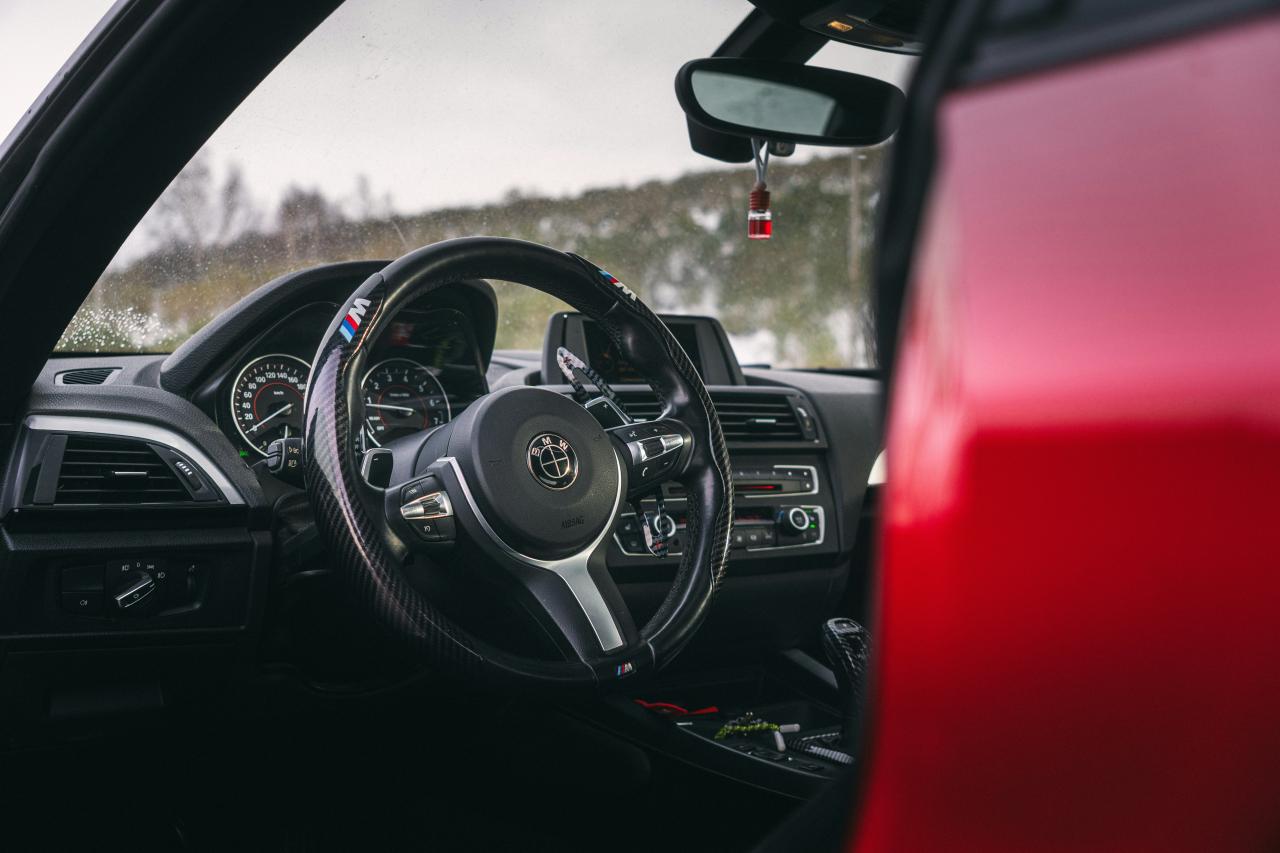
The world of luxury automotive design is currently witnessing a fascinating reversal in one of its most prominent recent trends. For many decades, the standard car interior relied heavily on physical buttons, knurled knobs, and analog switches to manage everything from the air conditioning to the radio volume.
This traditional approach provided drivers with immediate, tactile feedback that allowed them to operate the vehicle’s features without ever taking their eyes off the road.
However, the emergence of massive high-definition touchscreens led many manufacturers to delete these physical interfaces in favor of a clean, minimalist “glass cockpit” look.
This transition represented a monumental shift toward a smartphone-like experience inside the cabin, but it also created new challenges regarding driver distraction and user frustration. We are now entering an era where high-end brands are reintroducing physical switches as a mark of true luxury and functional excellence.
This innovation addresses the critical challenge of safety and ergonomic efficiency by blending the beauty of digital displays with the reliability of mechanical touch.
By embracing this return to tactile controls, designers are proving that true luxury is about the sensation of quality and the ease of use rather than just the size of a screen. This article explores the most effective ways tactile interfaces are making a comeback and how they elevate the modern driving experience.
The Resurgence of Mechanical Precision in Cabin Design

Manufacturers are realizing that luxury buyers often prefer the satisfying “click” of a well-crafted metal dial over the flat, haptic vibration of a touch-sensitive panel. Digital screens can be overwhelming during high-speed driving, making simple tasks like adjusting the temperature a dangerous chore.
I believe that “sensory feedback” is the best way to solve the problem of digital fatigue in modern vehicles. You solve the problem of complicated menu-diving by placing essential functions back into physical switches that you can find by feel alone.
This perspective turns your dashboard into a piece of high-end horology, where every movement of a knob feels like operating a Swiss watch.
A. Knurled Metal Accents and Materiality
Luxury brands now use premium materials like aluminum, crystal, and even cold-touch ceramics for their physical controls.
These materials provide a temperature and texture that plastic screens simply cannot match, signaling a higher level of craftsmanship. It creates a multi-sensory environment where the car feels more like a curated living space than a computer lab.
B. Rotary Controllers for Navigation and Media
Rotary dials allow drivers to scroll through lists or zoom into maps with a level of precision that is difficult to achieve on a bumping touchscreen.
These controllers often include a joystick function to move between different screen sections, keeping the display clean of fingerprints. It maintains a smudge-free interior while providing a logical and consistent way to interact with the vehicle’s software.
C. The Return of the Physical Volume Knob
Almost every driver agrees that a dedicated volume knob is the fastest and most intuitive way to control audio.
Brands that tried to replace this with touch sliders are now bringing the knob back due to universal customer demand. This simple return to basics proves that some designs are already perfect and do not need a digital replacement.
Balancing Digital Real Estate with Analog Ergonomics
The most successful luxury interiors now follow a hybrid philosophy where screens display information while buttons execute actions. This layout ensures that the driver stays informed without becoming distracted by the glowing light of a massive tablet.
My new perspective is that “functional layering” is the secret to solving the problem of visual clutter in the modern cockpit. You solve the problem of information overload by separating the “seeing” part of the car from the “doing” part of the car.
This perspective allows the driver to focus on the joy of the journey while the passenger handles the complex entertainment features on their own dedicated displays.
A. Dedicated Climate Control Panels
Having a permanent, physical panel for the heater and air conditioning means you never have to wait for a screen to boot up to defrost your windows.
These panels often use toggle switches or rocker buttons that provide a clear “up or down” movement for temperature adjustments. It ensures that the most vital comfort features are always accessible, regardless of what is happening on the main infotainment system.
B. Programmable Shortcut Buttons (The Favorites Bar)
Physical “favorite” buttons allow users to map their most-used functions—like “Navigate Home” or “Call Spouse”—to a single press.
This customization reduces the time spent looking at the dashboard and increases the bond between the driver and the machine. It makes the car feel personalized and responsive to the specific needs of the individual owner.
C. Steering Wheel Switches and Thumbwheels
The steering wheel has become the primary control hub, allowing the driver to manage the digital instrument cluster without moving their hands.
High-quality thumbwheels with distinct “detents” allow for precise adjustments to cruise control or audio settings. This integration ensures that the most important driving data is always under the pilot’s direct tactile command.
The Psychological Comfort of Tactile Reliability
There is a deep psychological comfort in knowing that a physical switch will work exactly the same way every time you touch it. Software can glitch, screens can freeze, and touch panels can fail in extreme temperatures, but a mechanical lever is remarkably robust.
I suggest that “mechanical trust” is the ultimate tool for solving the problem of technological anxiety in high-end cars. You solve the problem of “screen dread” by providing a reliable, physical backup for every major system in the vehicle.
This perspective builds a lasting relationship between the brand and the buyer, as the car feels built to last for decades rather than just a few software cycles.
A. Haptic Feedback as a Digital-Physical Bridge
Some brands use “active haptics” where a flat surface vibrates to simulate the feeling of a physical button. While better than a standard screen, most enthusiasts still find that this lacks the soul and the certainty of a true mechanical movement.
The trend is moving back toward “true haptic” switches that physically move when pressed.
B. Nighttime Operation and Muscle Memory
Physical buttons allow for the development of muscle memory, where your hand automatically knows where to go for a specific task.
This is especially important during nighttime driving when the glare of a screen can ruin your natural night vision. Tactile controls allow you to keep your eyes on the dark road ahead while your fingers manage the cabin environment safely.
C. The “Expensive” Sound of Interior Controls
Luxury engineers now spend hundreds of hours tuning the sound a button makes when it is pressed to ensure it sounds “expensive.”
A solid, muted “thunk” or a sharp metallic “click” communicates quality more effectively than any digital animation ever could. This attention to acoustic detail is what separates a true luxury vehicle from a mass-market commuter car.
Safety Benefits of Physical Switchgear
Safety organizations around the world are starting to penalize cars that rely too heavily on touchscreens for basic functions. Research shows that taking your eyes off the road for even two seconds to find a digital menu increases the risk of an accident significantly.
My perspective is that “tactile safety” is the best way to solve the problem of rising accident rates caused by distracted driving.
You solve the problem of visual distraction by allowing the driver to navigate the car’s features through the sense of touch alone. This perspective prioritizes human life and well-being over the temporary fashion of “minimalist” design.
A. Blind Operation and Spatial Awareness
A driver can locate a physical hazard light button or a defroster switch because they have a fixed position in 3D space.
On a touchscreen, buttons can change size or move depending on which menu is open, making them impossible to find by touch. Physical controls provide a permanent anchor for the driver’s spatial awareness, keeping the focus where it belongs: on the road.
B. Reliability in Emergency Situations
In a high-stress situation, such as sudden fog or a mechanical issue, you need to be able to hit a button instantly. Fumbling with a touch-sensitive slider while wearing gloves or with sweaty hands can be a nightmare. Mechanical switches are “failsafe” devices that work perfectly regardless of your physical condition or environmental factors.
C. Reducing Cognitive Load for the Driver
Processing a digital menu requires more brain power than simply flipping a switch you have used a thousand times. By reducing the “cognitive load,” tactile controls allow the driver to stay more alert and reactive to traffic. This mental clarity is a luxury in itself, providing a more relaxed and professional driving experience.
The Future of the Hybrid Luxury Cockpit
The return to tactile controls does not mean that screens are disappearing; instead, they are becoming more specialized and integrated. We are seeing a “best of both worlds” approach where beautiful OLED displays handle the maps while beautiful crystal knobs handle the volume.
I believe that “harmonious integration” is the secret to solving the problem of the cold, sterile interiors seen in many early electric vehicles.
You solve the problem of the “soulless car” by adding warm, physical elements that invite the human hand to interact with the machine. This perspective creates a cabin that feels alive and premium, honoring the history of automotive craft while embracing the future of technology.
A. Screen-in-Knob Technology
Some innovative designs place a small circular screen inside a physical rotary dial to show the temperature or the time. This combines the visual clarity of digital with the tactile joy of analog in a single, high-tech component. It represents the peak of modern interior engineering, offering a unique and sophisticated user interface.
B. Hidden-Until-Lit Controls
This technology uses touch-sensitive surfaces that are hidden behind real wood or leather and only light up when your hand approaches.
This allows for a clean, minimalist look when the car is off, but provides a tactile and visual guide when you are driving. It is a smart way to maintain a modern aesthetic without sacrificing the functional benefits of physical interfaces.
C. Voice Control as a Secondary Layer
While tactile buttons handle the immediate needs, voice control handles the complex searches, like finding a specific restaurant or song.
This hierarchy ensures that the driver’s hands stay on the wheel for the basics and their eyes stay on the road for the rest. It creates a multi-layered defense against distraction and a more seamless overall journey.
Redefining Luxury Through Craftsmanship
In a world where every cheap car has a large screen, true luxury is now defined by what a screen cannot do. Luxury is the feel of real leather, the smell of natural wood, and the weight of a solid metal switch. My new perspective is that “tactile exclusivity” is the best way to solve the problem of brand dilution in the digital age.
You solve the problem of looking “just like everyone else” by offering a cabin that feels hand-built and physically substantial. This perspective ensures that your brand remains a symbol of status and quality that transcends the fleeting trends of the tech industry.
A. The Value of Analog Aesthetics
There is a timeless beauty in a well-designed dashboard that doesn’t rely on software updates to look good. Just as people still value mechanical watches, car buyers are rediscovering the beauty of analog clocks and physical gauges. These elements provide a sense of permanence and history that digital pixels simply cannot replicate.
B. Artisanal Manufacturing of Switchgear
Some high-end manufacturers are hiring jewelry makers to design their buttons and knobs. This level of detail turns the car’s interior into a gallery of functional art, where every touchpoint is a masterpiece of design. It justifies the high price tag of luxury vehicles by providing a level of quality that is visible and tangible.
C. The Role of Personalization and Bespoke Buttons
Bespoke programs now allow customers to choose the specific finish, color, and texture of their interior switches. Whether it is rose gold accents or carbon fiber toggles, these choices allow for a level of self-expression that a screen menu could never offer. It makes the car a true extension of the owner’s personality and taste.
Conclusion

Tactile controls are the best way to fix travel. You must choose the right tools to reach goals. Physical knobs ensure that your day stays fast and safe. You solve your daily work problems by using a smart system. Old glass cockpits are the slow relics of the past.
The future belongs to those who use tech for growth. Mental focus acts as a professional and high value shield. Safety checks help you build a better life while you enjoy. Visual flow acts as a legal and very strong wall today.
Innovation in the world of design is a victory for all. Every single solid click is a step toward a better future. The best time to start your high speed travel plan is now. Support your future success by treating your car like a tool.
Stay curious about new tech to keep your daily life high. The journey to total and final driving freedom starts with choice.

