

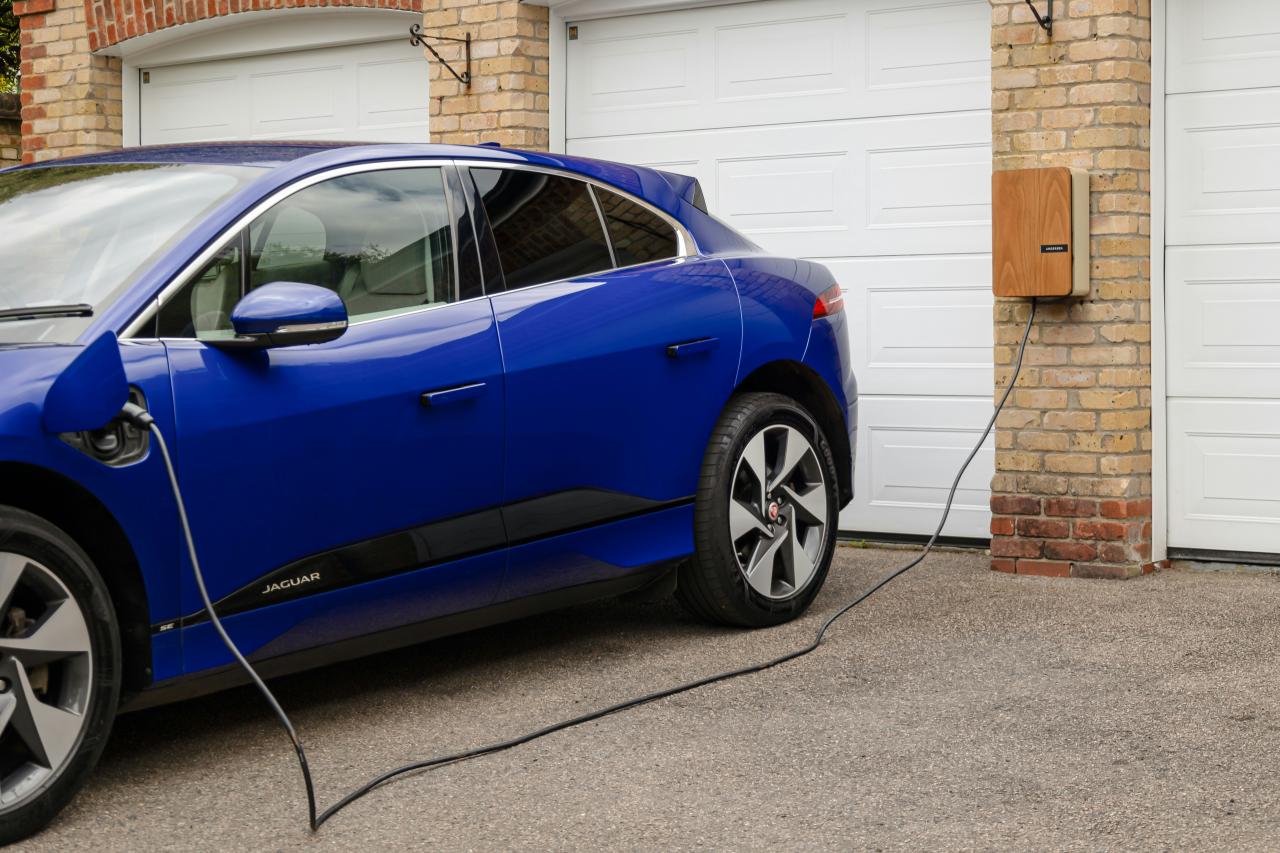
The transition toward electric mobility has fundamentally changed how we think about “refueling” our vehicles in our daily lives. For many decades, car owners relied exclusively on the convenience of public gas stations, which required frequent stops and exposure to fluctuating fuel prices.
This traditional dependency often created a sense of urgency and wasted time, as drivers had to go out of their way to find a pump. However, the emergence of advanced home charging technology now allows homeowners to replenish their car’s battery while they sleep, eat, or relax.
This shift represents a monumental transition from being a passive consumer of fuel to becoming an active manager of your own personal energy grid. We are entering an era where high-speed charging stations serve as the primary bridge between renewable energy and modern transportation.
This innovation addresses the critical challenge of “range anxiety” by ensuring your vehicle always starts the day with a full charge. By integrating a professional charging solution into your home, you can significantly reduce your travel stress and improve the long-term value of your property.
This article explores the most effective and proven methods for speeding up your home charging process to achieve total freedom on the road.
Understanding the Jump from Level One to Level Two

Most electric vehicles come with a standard cord that plugs into a regular household outlet, which many experts call Level One charging. While this is a simple solution, it often takes over twenty hours to fill a battery, which simply does not work for busy modern professionals.
I believe that “charging efficiency” is the most important factor for anyone who wants to solve the problem of limited daily mileage. You solve the problem of slow charging by upgrading to a dedicated circuit that delivers power up to eight times faster than a standard wall plug.
This perspective turns your garage into a high-performance fueling station, ensuring that even a short four-hour plug-in provides enough range for your entire weekly commute.
A. Voltage and Amperage Requirements
Standard outlets provide only 120 volts, whereas a professional home charger requires a 240-volt circuit, similar to what a large clothes dryer or oven uses.
Increasing the voltage allows the electricity to flow into your battery with much more force and speed. This upgrade is the foundation of any serious home charging setup for a modern driver.
B. Kilowatt Output Comparisons
A basic wall outlet usually delivers about 1.4 kilowatts, while a high-quality Level Two station can provide anywhere from 7.2 to 19.2 kilowatts.
This massive increase in power directly translates to more miles of range added per hour of charging. It represents a significant leap in technology that makes electric vehicle ownership practical for everyone, regardless of their daily driving distance.
C. Installation of Dedicated Breakers
To handle the high power load safely, an electrician must install a dedicated circuit breaker in your main electrical panel. This ensures that your car receives a steady stream of energy without interfering with your home’s lighting or appliances. It creates a safe and isolated environment for your vehicle’s sensitive electronic systems.
Choosing Between Plug-In and Hardwired Stations
When you buy a fast charger, you must decide whether to use a portable plug-in unit or a permanently hardwired station fixed to your wall. Hardwired units often support higher power levels, but plug-in models offer the flexibility to take your charger with you if you move to a new house.
My new perspective is that “infrastructure flexibility” is the secret to solving the problem of future-proofing your home against changing technology.
You solve the problem of permanent installation costs by choosing a high-quality plug-in unit that allows for easy replacement or upgrades later. This perspective protects your investment while giving you the high-speed performance you need for your current vehicle.
A. The Benefits of Hardwiring for Speed
Hardwired connections eliminate the extra point of failure that a plug and outlet can create, allowing for the highest possible current.
If your vehicle can accept high power levels, hardwiring is the only way to reach those maximum charging speeds safely. It provides a clean, professional look that many homeowners prefer for their garage or driveway.
B. NEMA 14-50 Plug Versatility
Most portable fast chargers use a standard NEMA 14-50 plug, which is the same type used by heavy-duty recreational vehicles.
This allows you to use your charger at campgrounds or other homes that have the correct outlet installed. It provides a level of freedom that makes long-distance travel much less stressful for the average family.
C. Weatherproofing and Outdoor Durability
If you do not have a garage, you must ensure that your charging station has a high NEMA rating for rain, snow, and dust protection.
Hardwired units often feature superior seals and heavy-duty cables designed to live outdoors year-round. This ensures that your charging speed remains consistent even during the coldest winter months or the hottest summer days.
Smart Features That Optimize Energy Costs
Modern charging stations are much more than just cables; they are intelligent computers that can talk to your smartphone and the local power grid. These “smart chargers” allow you to schedule your charging for late at night when electricity prices are at their lowest point.
I suggest that “scheduled intelligence” is the only way to solve the problem of high utility bills while maintaining a fast charging schedule.
You solve the problem of peak-hour pricing by letting the app decide the best time to draw power based on real-time data from your provider. This perspective turns your car into a smart asset that saves you money every time you plug it in.
A. Mobile App Integration and Monitoring
Top-tier chargers connect to your home Wi-Fi, allowing you to start, stop, or adjust the charging speed from anywhere in the world.
You can see exactly how much energy you have used and how much it cost you in a simple, easy-to-read report. This level of transparency helps you manage your household budget with surgical precision.
B. Over-the-Air Software Updates
Just like your smartphone, smart chargers receive regular updates that improve their performance and add new security features over time.
This ensures that your hardware stays relevant as new electric car models and charging protocols enter the market. It is a vital feature for anyone who wants their home infrastructure to last for a decade or more.
C. Load Sharing for Multi-EV Households
If you have two electric cars, smart chargers can share a single circuit and automatically balance the power between both vehicles.
This prevents your electrical panel from overloading while ensuring that both cars are fully charged by the morning. It solves a complex logistical problem for growing families without requiring expensive upgrades to your home’s main power supply.
Upgrading Your Home Electrical Panel
Before you install a high-speed charger, you must ensure that your home’s electrical panel has enough “room” to handle the extra load. Many older homes only have 100-amp service, which might not be enough to run a fast charger while you are also using your air conditioner and oven.
My perspective is that “load capacity awareness” is the best way to solve the problem of unexpected power outages and safety hazards.
You solve the problem of electrical bottlenecks by performing a professional load calculation before buying your charging hardware. This perspective ensures that your home remains safe and efficient, providing a stable platform for all your future electric needs.
A. Identifying Your Current Service Level
An electrician can check your main breaker to see if your home has 100, 150, or 200-amp service to determine your charging potential.
If your panel is full, you might need to install a smaller “sub-panel” specifically for your garage or parking area. This minor investment significantly improves the safety and the modern capability of your entire property.
B. The Role of Load Management Devices
If you cannot upgrade your entire panel, you can use a load management device that pauses your car charger when your home’s total power usage gets too high.
This allow you to enjoy fast charging during the night without needing a massive and expensive utility upgrade. It is a smart and cost-effective solution for owners of historic or older homes.
C. Future-Proofing for Home Batteries and Solar
When you upgrade your panel, it is wise to add extra space for future solar panels or a home battery system like a Powerwall.
This long-term thinking allows you to eventually charge your car using only the power of the sun for zero additional cost. It represents the pinnacle of energy independence and financial freedom for the modern homeowner.
Essential Safety Protocols for High-Power Charging
High-speed charging moves a lot of energy, which means safety must be your number one priority to prevent fires or damage to your vehicle. You should only use equipment that has been tested and certified by independent safety laboratories like UL or ETL.
I believe that “safety certification” is the only way to solve the problem of counterfeit or dangerous charging cables found on cheap websites.
You solve the problem of equipment failure by investing in reputable brands that offer long warranties and professional support. This perspective gives you peace of mind, allowing you to sleep soundly while your car charges just a few feet away from your bedroom.
A. Ground Fault Protection (GFCI)
Quality chargers include built-in protection that instantly cuts the power if they detect a leak or a short circuit in the system. This prevents electrical shocks and protects both the human operator and the vehicle’s expensive battery pack. It is a mandatory feature that you should never skip when choosing your home charging hardware.
B. Thermal Monitoring and Cable Quality
Heavy-duty charging cables use high-grade copper and thick insulation to stay cool even during hours of maximum power delivery.
Some smart stations even have temperature sensors in the plug that slow down the charge if the outlet starts to get too warm. This proactive monitoring prevents melting or fire hazards before they ever become a serious threat.
C. Professional Permit and Inspection
Always hire a licensed electrician to pull a permit and have the work inspected by your local city building department.
This ensures that the installation meets the current national electrical code and protects your home insurance coverage. A professional installation is the best insurance policy you can have for your property and your family.
Maximizing Battery Longevity with Smart Habits
While fast charging is convenient, the way you use it can affect how long your car’s battery lasts over several years of ownership. Heat is the primary enemy of lithium-ion cells, so it is important to follow a few simple rules to keep your battery healthy.
My new perspective is that “gentle speed” is the secret to solving the problem of battery degradation and maintaining a high resale value for your car. You solve the problem of long-term wear by setting your charger to a slightly lower speed when you have plenty of time, such as during a long weekend.
This perspective balances your need for speed with the scientific reality of battery chemistry, ensuring your car stays on the road for a long time.
A. The 80 Percent Rule for Daily Use
Most manufacturers recommend only charging your battery to 80 percent for daily driving and saving the full 100 percent for long road trips.
This reduces the chemical stress on the cells and can double the lifespan of your battery pack over time. Most smart chargers allow you to set this limit directly in the mobile app for total convenience.
B. Cooling and Pre-Conditioning Features
Many electric vehicles can use power from the wall to heat or cool the battery to the perfect temperature before you start driving.
This “pre-conditioning” saves your battery power for the road and ensures that the charging process is as efficient as possible. It is a great way to improve your range in extreme winter or summer weather conditions.
C. Avoiding Constant Maximum Discharge
Just as you shouldn’t charge too fast all the time, you should avoid letting your battery drop to zero percent whenever possible.
Keeping your charge level between 20 and 80 percent is the “sweet spot” for long-term reliability and performance. This habit ensures that your vehicle is always ready for an emergency and that the battery remains in peak condition.
Conclusion

Fast home charging is the best way to fix travel. You must choose the right tools to reach goals. Level Two power ensures that your day stays fast. You solve your daily work problems by using a smart system.
Slow wall plugs are the old relics of the past. The future belongs to those who use tech for growth. Smart apps act as a professional and high value shield. Safety checks help you build a better life while you enjoy.
Visual flow acts as a legal and very strong wall. Innovation in the world of energy is a victory for all. Every single clean charge is a step toward a better future. The best time to start your high speed travel plan is now.
Support your future success by treating your home like a tool. Stay curious about new tech to keep your daily life high. The journey to total and final driving freedom starts with choice.

